










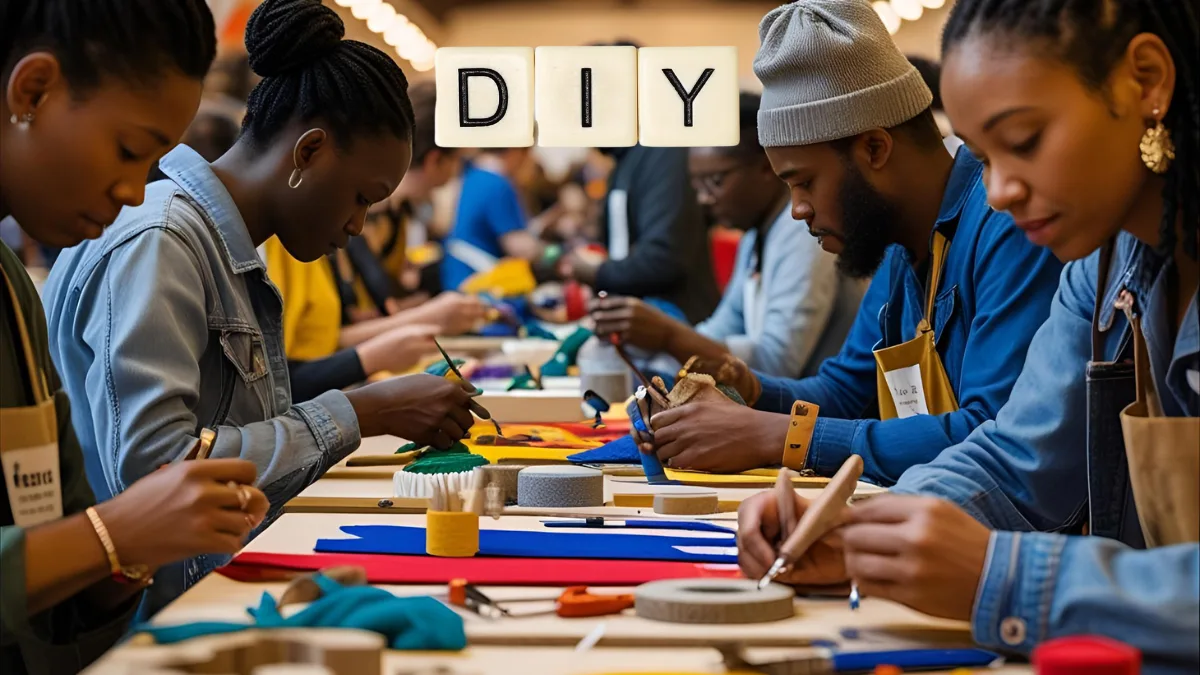
In an age where most problems can be solved with a quick search or an online order, the act of making something with your own hands feels almost revolutionary. But for many, it’s not just about repairing a leaky tap or assembling a shelf. It’s about reconnecting with the joy of creation, the thrill of solving real problems, and the satisfaction of building something from scratch. Welcome to the world of DIY (Do-It-Yourself) and Maker culture, a growing movement that blends creativity, independence, and innovation.
Whether it’s crafting a wall shelf, coding an app, or designing a futuristic gadget, engaging in hands-on projects opens the door to a world of exploration and self-reliance. Here, creativity isn’t just encouraged; it’s essential. In this culture, every problem is a puzzle, every mistake is a lesson, and every completed project is a badge of personal growth.
What is DIY and Maker Culture?
At its core, DIY is about taking ownership of tasks typically outsourced, whether home repairs, crafting, or building everyday items. It’s about using your own skills and resources to solve problems creatively. Maker culture builds on this foundation by incorporating tools, technology, and design thinking to create innovative solutions, often blurring the line between hobbyist and engineer.
Both movements celebrate creative problem solving. From fixing a broken chair to prototyping a new gadget, every challenge becomes an opportunity to innovate, tinker, and learn through doing.
The Importance of Hands-On Learning and Problem-Solving
Hands-on projects offer more than practical outcomes. They foster critical thinking, resilience, and imagination. Unlike traditional learning methods that rely heavily on instructions or theory, DIY and Maker activities demand action and experimentation. You learn by trial and error, adapting as you go.
Problem solving becomes intuitive when you work with your hands. Whether it’s adjusting uneven table legs, reconfiguring a design flaw, or improvising with limited materials, you’re constantly thinking on your feet. And sometimes, those small adjustments spark new ideas or unexpected solutions, proving that innovation often starts where instructions end.
This type of learning builds not just skills, but confidence. Over time, you begin to approach challenges with a sense of curiosity rather than hesitation. You begin to believe: If I can build this, what else can I do?
How Hands-On Projects Encourage Creativity
Hands-on projects naturally unlock creativity. Here’s how:
- Freedom to Experiment: DIY culture has no strict rules. If the exact material isn’t available, you adapt. If something breaks, you find another way. This freedom to experiment invites new ways of thinking.
- Room for Innovation: Whether it’s designing a new household tool or repurposing old items, there’s constant potential to innovate. You begin to see ordinary objects through a creative lens.
- Pride in Creation: Seeing a project come to life through your own effort builds a deep sense of satisfaction. It inspires you to take on bigger, more complex challenges.
- Enhanced Problem-Solving: Every project includes obstacles. Navigating them teaches patience, persistence, and analytical thinking, skills that extend far beyond any workshop or studio.
The Role of Technology in DIY and Maker Culture
Technology has expanded the DIY and Maker movement in extraordinary ways. Tools like 3D printers, CNC machines, and laser cutters now bring precision and possibility to home projects. Open-source platforms like Arduino, Raspberry Pi, and Tinkercad allow even beginners to dive into electronics, robotics, and design.
Equally important is the internet’s role in building a global maker community. Platforms like YouTube, Reddit, and Instructables host thousands of tutorials and project ideas. Makers around the world share their builds, learn from each other, and collaborate across borders, creating a worldwide culture of shared knowledge and creativity.
Why Hands-On Problem-Solving Is So Valuable
In a fast-paced world full of quick fixes and instant gratification, DIY projects slow things down. They teach us to value the process as much as the outcome. Every cut, adjustment, and rebuild becomes part of the journey. And with that journey comes patience, resilience, and self-reliance.
More than anything, DIY empowers you to solve problems independently. Instead of waiting for someone else to step in, you take the initiative. You learn to trust your instincts, test your ideas, and improve your environment one project at a time.
Whether you’re repairing a bicycle or building a bookshelf, the real takeaway isn’t the finished product. It’s the mindset of capability that stays with you.
A Growing Trend in India
India is witnessing a surge in DIY and Maker culture. With its deep-rooted tradition of craftsmanship and an expanding interest in modern innovation, the country is well-positioned to embrace this movement.
From urban makerspaces to school STEM programs and online communities, more individuals are exploring hands-on learning as a way to grow skills, solve local problems, and build meaningful projects. The “Make in India” initiative has further fueled this shift, encouraging creative thinking in fields like technology, sustainability, and design.
Many individuals are also transforming their DIY projects into small businesses or side hustles. With the rise of online platforms like Etsy, Instagram, and local marketplaces, along with increased access to startup support and maker communities, what begins as a personal passion can quickly evolve into a professional venture. This blend of creativity and entrepreneurship is a natural extension of the Maker mindset, one that values both innovation and self-reliance.
From upcycling and eco-friendly design to low-cost tech innovations, this movement is empowering people to not just consume solutions but create them.
Getting Started with DIY and Maker Projects
Starting your own hands-on project doesn’t require a fancy workshop or a degree in engineering. All it takes is curiosity and a willingness to try. Begin small: fix something at home, build a basic model, or craft something decorative. Choose a project that excites you because passion is the best teacher.
As your confidence builds, so will your skills. There are endless free resources online including tutorials, forums, and maker communities ready to guide you. You don’t have to get it perfect, you just have to get started.
DIY and Maker culture is more than just a trend. It’s a mindset that values action over inaction, creativity over convenience, and learning through doing. It’s about becoming resourceful, independent, and innovative in a world that often pushes us toward shortcuts.
Every hands-on project is a chance to grow. A chance to reimagine what’s possible, to stretch your abilities, and to make something meaningful, whether for yourself, your community, or the world.
So the next time you’re faced with a challenge, instead of looking for an instant solution, consider this: Can I build it myself?
Chances are, the answer is yes—and the journey there might surprise you.


