











SpaceX is set to launch the Fram2 mission, marking the first human spaceflight over Earth’s polar regions. The mission will carry a four-person international crew into a polar orbit, offering unique perspectives of the planet’s poles.

Mission Details
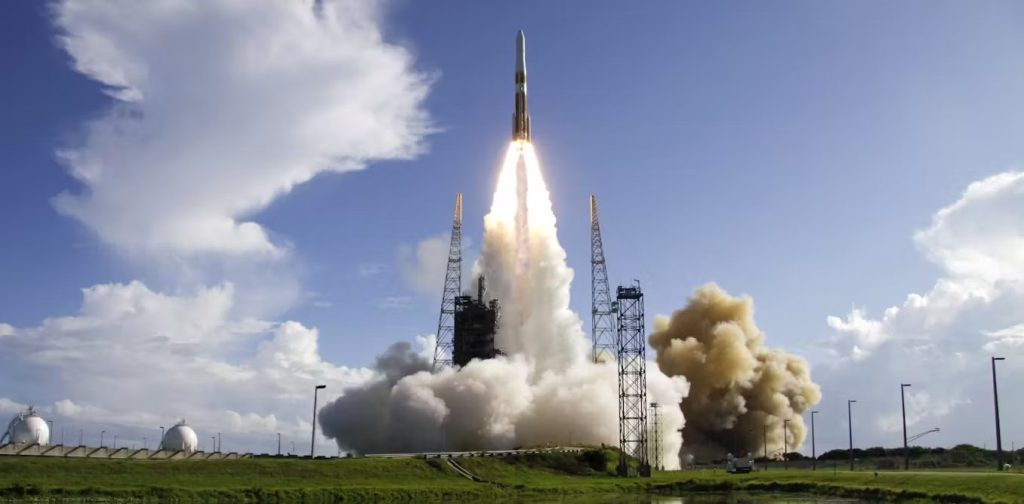
Scheduled for launch on April 1, 2025, from NASA’s Kennedy Space Center in Florida, the Fram2 mission will utilise a SpaceX Crew Dragon capsule atop a Falcon 9 rocket. The crew comprises individuals from Malta, Norway, Germany, and Australia. The mission’s name, “Fram2,” pays homage to the historic Norwegian ship used in Arctic and Antarctic explorations during the late 19th and early 20th centuries.
Scientific Objectives
During the mission, the crew plans to conduct 22 research experiments. Notably, they will attempt to grow oyster mushrooms in microgravity, assessing their potential as a sustainable food source for long-duration space missions. This experiment, led by Australian mission specialist and medic Eric Philips, aims to understand how microgravity affects mushroom cultivation.
Additionally, the crew will perform the first X-ray imaging in space and study the aurora borealis from orbit, contributing valuable data for future spaceflights and potential Mars missions.
Training and Preparation
The crew has undergone extensive training, including simulations, centrifuge exercises, and survival training in extreme environments. These preparations ensure they are equipped to handle the challenges of space travel and conduct scientific experiments in microgravity.
Significance of Polar Orbit
A polar orbit allows a spacecraft to pass over Earth’s north and south poles, enabling comprehensive coverage of the planet’s surface. This trajectory is particularly valuable for Earth observation, weather monitoring, and climate research, as it provides a complete view of the planet over time.
The Fram2 mission represents a significant milestone in human spaceflight, combining international collaboration with ambitious scientific objectives. By venturing into polar orbit and conducting pioneering experiments, the mission aims to advance our understanding of space travel and support future exploration endeavours.


