



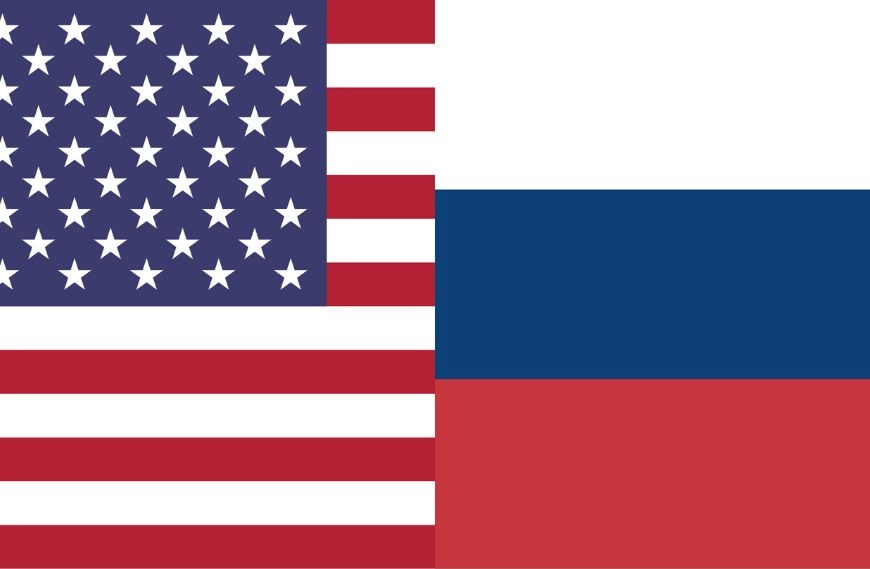
President Donald Trump has issued a stern warning to the international community, stating that any country continuing to engage in trade with Russia could face “very severe” sanctions. He specifically mentioned nations importing Russian oil, gas, or other goods, which could be targeted with steep tariffs, fines, or other trade restrictions. This statement comes amid mounting global scrutiny of Russia’s military actions and the economic fallout that has affected not just Europe but countries worldwide. Trump’s remarks signal a hardline approach, suggesting that the U.S. may take stronger steps to penalize nations that maintain commercial ties with Moscow.
Trump’s warning also hints at potential legislative measures in the United States that could give presidents broad authority to punish foreign countries trading with Russia. One of the proposals under discussion includes imposing tariffs as high as 500 percent on countries that continue to buy Russian oil. Such measures would not only restrict Russia’s ability to generate revenue from exports but could also force countries reliant on Russian energy to reconsider their supply chains and trade policies. Analysts argue that the announcement is as much about U.S. strategic leverage as it is about punishing Moscow, reflecting a broader trend of using economic tools to achieve geopolitical objectives.
The potential impact on emerging economies is significant. Countries such as India, China, and Brazil have relied heavily on Russian oil and gas to meet domestic energy needs. If severe U.S. sanctions were enforced, these nations could face economic disruption, rising energy costs, and difficult diplomatic choices. Balancing economic interests with geopolitical pressures will be a major challenge for these governments. Some observers have warned that unilateral threats may push countries toward alternative alliances or trading partners, complicating international relations further.
Critics of Trump’s approach argue that such sanctions could amount to economic coercion, pressuring sovereign nations to follow U.S. policy rather than allowing them to make independent trade decisions. Others maintain that the move is necessary to isolate Russia economically and curb its ability to fund military operations. The discussion highlights the fine line between enforcing global norms and overstepping into the sovereignty of other countries.
Trump’s statements also carry a political dimension, as they may be aimed at reinforcing his image as a strong global leader on Russia and foreign policy. Domestically, it could strengthen his support among voters who favour assertive international postures. Internationally, however, the warnings could strain diplomatic relations, particularly with nations that have historical or strategic ties with Moscow.
In conclusion, Trump’s announcement underscores the growing role of economic sanctions as a tool of foreign policy. Countries that continue to trade with Russia may face serious consequences, ranging from trade restrictions to tariffs on critical imports. The global response will likely test the balance between economic dependence, diplomatic independence, and international pressure, making this one of the most closely watched developments in global trade and geopolitics in recent times.
Subscribe Deshwale on YouTube
