



On paper, tariffs are a tool for trade policy. In practice today, they have become a diplomatic weapon. The United States’ recent moves to sharply raise import duties on Indian goods are not just about trade rules. They are meant to send a political message about energy choices and global alignments, especially India’s purchases of Russian oil.
What happened the short version
In late July and early August 2025 the US took two linked steps. First, it announced a 25% ‘reciprocal’ tariff on many imports from India. Then the White House issued a second executive order that added another 25% on top of that as a penalty linked to India’s continued purchases of Russian oil. Taken together, those measures raise the effective duty on many Indian goods toward 50% (with some exemptions and carve-outs). The legal steps were set out in White House orders and a Federal Register notice that implemented the additional duties later in August.
Why oil matters here
The US framed the extra duty as a response to India’s role in the global oil market. Washington argues that buying Russian crude at a discount helps Russia finance its war and weakens the effect of sanctions. By tying a trade penalty to India’s energy purchases, the US is signaling that energy policy can be a test of political alignment. That makes energy an instrument of diplomacy, not only a market decision.
Who is hit and who is spared
The tariffs are targeted. Goods such as textiles, gems and jewellery and some food items face the deepest pain. At the same time, the US exempted key categories like pharmaceuticals and many electronics and energy-related products sectors that matter for US consumers and supply chains. That selective approach shows Washington is trying to maximise political pressure while limiting strategic damage to its own economy.
Diplomacy in action: meetings and damage control
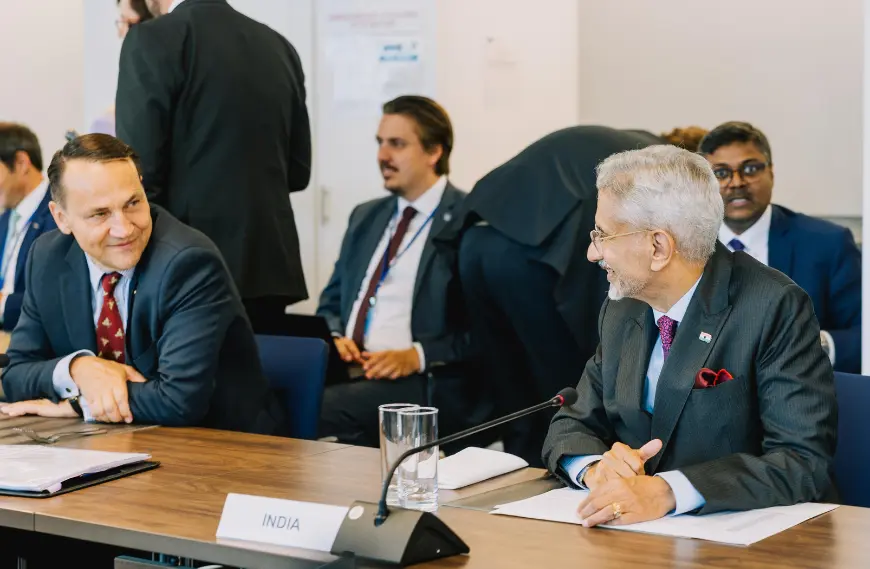
The tariff moves were followed by a flurry of diplomacy. India’s External Affairs Minister and commerce officials moved quickly to explain New Delhi’s position and to reopen trade talks on the sidelines of the UN General Assembly. Meetings between India’s ministers and US officials including talks at the UNGA are part of efforts to defuse the crisis and find a path back to smoother trade ties. These exchanges show how tariffs push disputes out of customs houses and into conference rooms.
What it tells us about modern statecraft
Three simple lessons stand out:
- Tariffs are now multipurpose tools. They can punish, persuade, and push behavioural change in a foreign government, not just protect a domestic industry. The US move links trade enforcement with geopolitical aims.
- Energy choices have political costs. Countries that choose cheaper oil from sanctioned suppliers can face secondary economic consequences from major markets. For India, a core need (energy security and affordable fuel) collided with a strategic cost (higher export duties).
- Limited exemptions show careful calculation. By sparing pharmaceuticals and key electronics, the US protects its own supply chains and domestic consumers while still applying pressure where it can hurt a targeted, rather than blanket, instrument.
Risks and consequences
Using tariffs as a diplomatic cudgel is blunt. It risks retaliation, supply-chain shifts, job losses for exporters, and long-lasting mistrust. Indian exporters in affected sectors have already reported disruption. Governments can use negotiations to roll back such measures, but reversals depend on politics and substantial concessions, not just technical fixes.
Where things might go next
There are three plausible paths:
- Negotiation and partial rollback. Intensive talks could win exemptions or reductions for key sectors while India adjusts energy sourcing over time. (This is what diplomats are attempting now.)
- Longer stand-off. If neither side yields, trade flows and investment plans could be rerouted, increasing costs on both sides.
- Linkage to broader deals. Tariffs could be used to extract broader concessions in a trade agreement turning pain into leverage for a larger bargain.
Which path unfolds will depend on both political will and practical calculations about energy, industry, and strategic partnership.
Bottom line simple and practical
Tariffs are no longer a narrow economic tool. In this episode, the US explicitly used trade duties to influence another country’s energy decisions. That changes the rules of engagement: trade disputes now sit at the intersection of economics, energy policy and geopolitics. For policymakers and businesses on both sides, the message is clear choices about fuel, suppliers and markets can quickly become foreign policy problems.
