








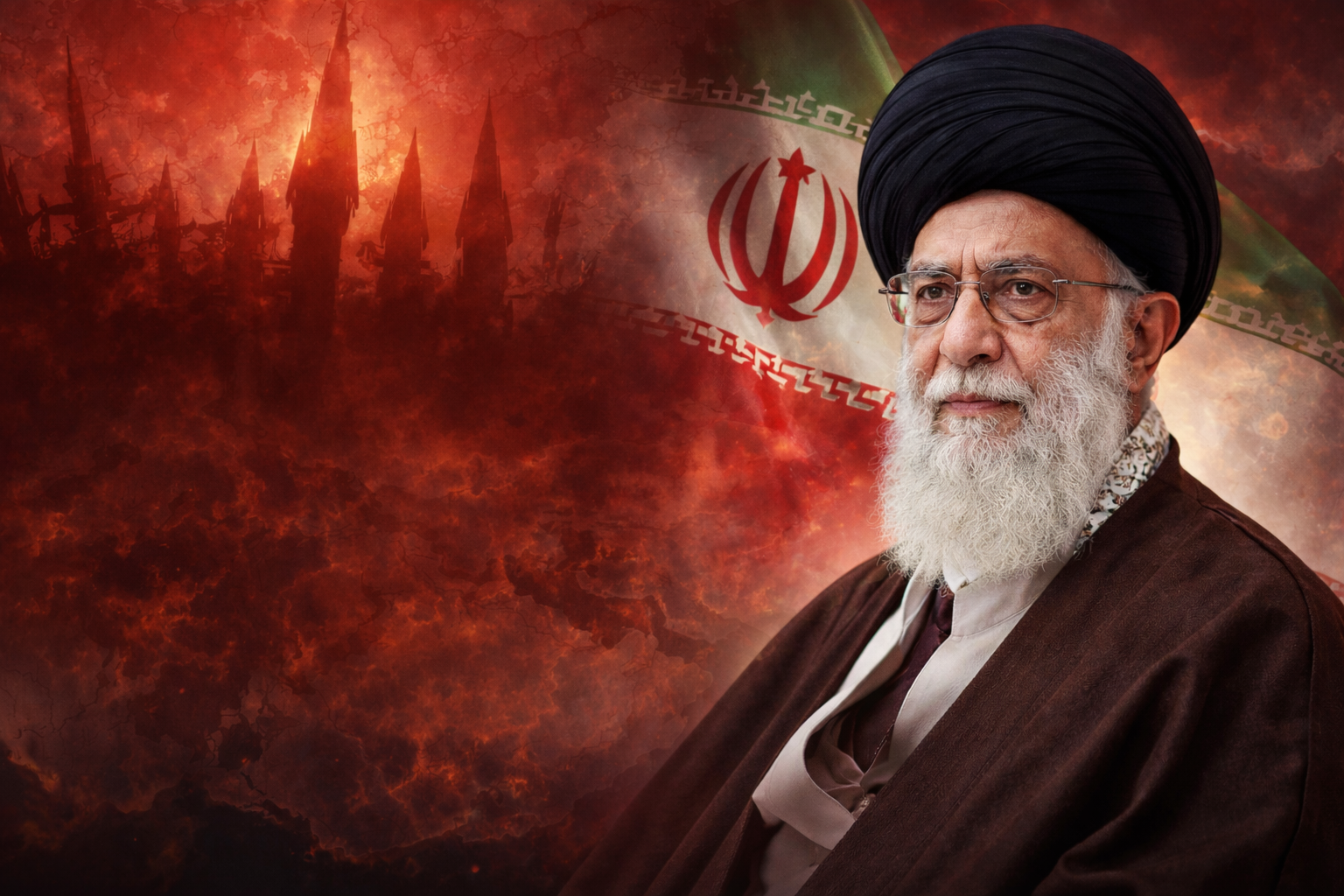
As tensions intensify between Iran, Israel and the United States, public appearances by Iran’s Supreme Leader, Ayatollah Ali Khamenei, have noticeably declined. His absence from major state events has prompted speculation, although Iranian authorities have offered no unusual explanation.
In Iran’s political system, visibility carries weight. The Supreme Leader is not merely a symbolic cleric. He is the country’s highest authority. He sets general policies, oversees their implementation, commands the armed forces, appoints senior officials, and exercises decisive influence over elections, security and foreign affairs. During moments of military strain, his role becomes even more central.
For more than three decades, Khamenei has shaped the structure and direction of the Islamic Republic. The table below summarises key milestones and defining aspects of his life and leadership.
16 Key Facts About Ayatollah Ali Khamenei
| No. | Category | Key Detail |
|---|---|---|
| 1 | Birth | Born in Mashhad in 1939 into a clerical family of Azeri descent. |
| 2 | Childhood | Raised in modest circumstances and has spoken of early financial hardship. |
| 3 | Early Education | Began Qur’anic studies at four and entered formal clerical training at a young age. |
| 4 | Mentor | Studied in Qom under Ayatollah Ruhollah Khomeini, whose ideology shaped his revolutionary outlook. |
| 5 | Political Activism | Joined anti-Shah protests in the 1960s and faced repeated arrests and periods of exile before the 1979 Revolution. |
| 6 | Assassination Attempt | Survived a 1981 bomb attack during a speech, leaving his right arm permanently paralysed. |
| 7 | Presidency | Served as president from 1981 to 1989 during the Iran–Iraq War, building strong institutional ties with the Revolutionary Guard. |
| 8 | Rise to Supreme Leader | Chosen as Supreme Leader in 1989 despite not holding the highest traditional clerical rank at the time. |
| 9 | Consolidation of Power | Strengthened the office through constitutional changes and institutional consolidation across the judiciary and security apparatus. |
| 10 | Longevity | Among the longest-serving leaders in the Middle East, shaping Iran’s political direction for over three decades. |
| 11 | Family | Married since 1964 and father of six children. His son Mojtaba is occasionally mentioned in succession speculation. |
| 12 | Literary Interests | Known for his interest in poetry and literature and reportedly admires Victor Hugo’s Les Misérables. |
| 13 | Nuclear Position | Iranian officials state that he issued a religious decree prohibiting nuclear weapons while supporting civilian nuclear development. |
| 14 | Social Views | Holds conservative positions on cultural issues while supporting religiously sanctioned medical treatments for gender dysphoria. |
| 15 | Economic Influence | Institutions under his supervision, including Setad, control significant assets across key sectors, though precise valuations remain debated. |
| 16 | Ancestry Debate | Claims of distant Indian lineage remain unconfirmed in standard biographical sources. |
A Leader Defined by Structure, Not Spectacle
Ayatollah Ali Khamenei’s authority has long operated through institutional control rather than frequent public display. Unlike elected presidents, he rarely engages in overt political theatre. His influence is exercised through appointments, strategic direction and oversight of core state mechanisms.
The armed forces report to him. The judiciary operates under his appointment. Electoral vetting bodies function within a framework he shapes. Over time, this structure has ensured continuity in policy even as presidents and political factions have changed.
Periods of regional confrontation inevitably draw attention to his visibility. Yet his leadership style has consistently prioritised structural power over public presence. Whether frequently seen or not, the architecture of the Islamic Republic ultimately rests on the office he holds.
As tensions rise across the region, the more significant question may not be where Iran’s Supreme Leader is at any given moment, but how the system he has shaped for decades will respond to the challenges ahead.
Subscribe Deshwale on YouTube


