










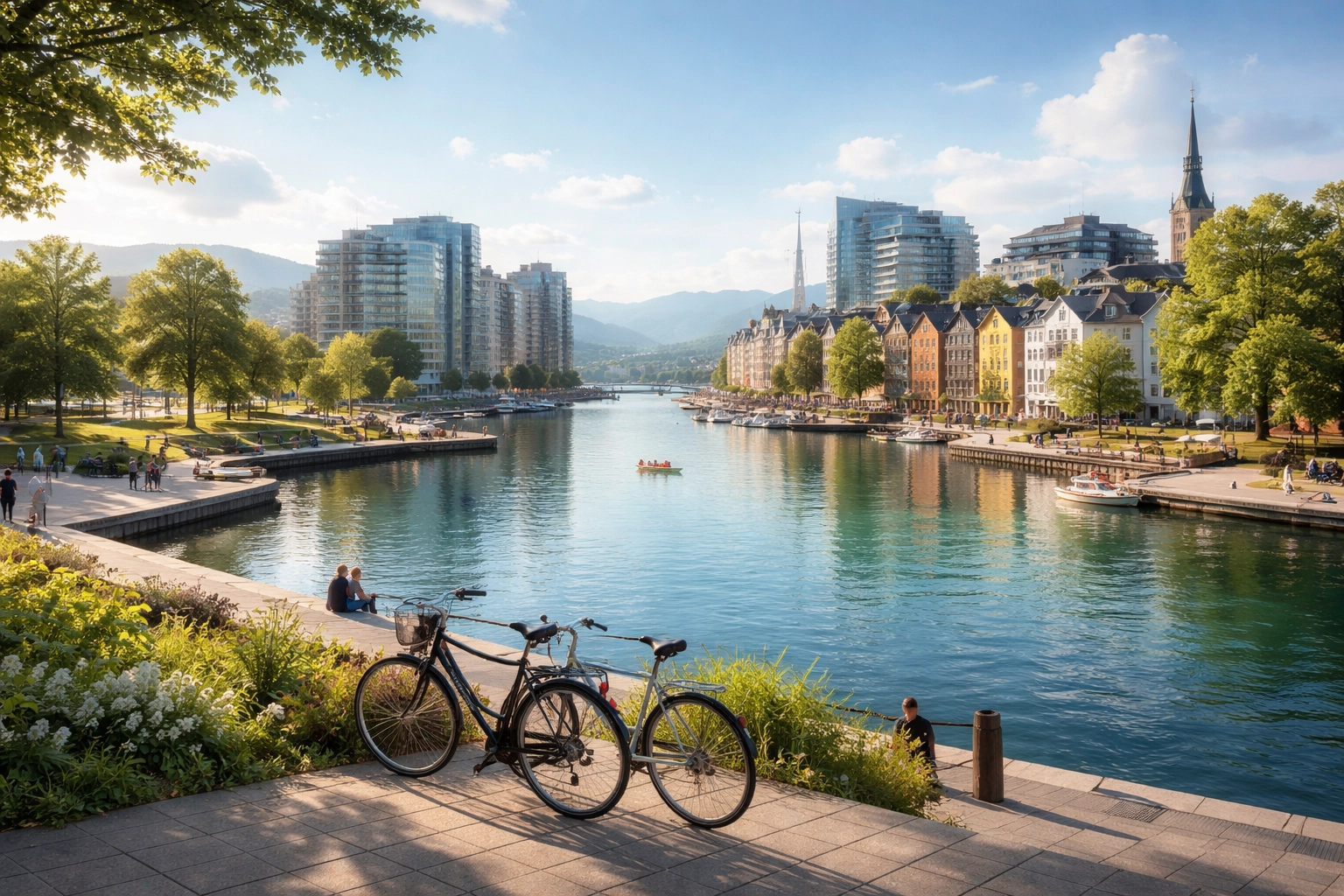
In my long career chasing stories across fractured landscapes from the conflict zones of the Middle East to the economic battlegrounds of Latin America I’ve often pondered where one might escape the world’s woes. In 2026, as unrest simmers in too many corners, it’s heartening to turn our gaze to havens where life isn’t just survived, but savoured. This series explores those rare places where the world truly is livable, drawing on fresh data from indices like Numbeo’s Quality of Life rankings, the World Happiness Report, and U.S. News & World Report. These metrics weigh factors such as safety, healthcare, education, environmental quality, work-life balance, and economic stability. Amid global fragility, these nations stand out for fostering well-being, not just wealth.
What makes a place livable? It’s more than GDP or skylines; it’s the intangible harmony of society, nature, and governance. High scores in purchasing power, low pollution, robust social support are the hallmarks. In Numbeo’s 2026 mid-year index, European nations dominate, with the Netherlands at 213.6, Denmark at 212.2, and Luxembourg at 211.9. The World Happiness Report echoes this, placing Finland first with a score of 7.84, followed by Denmark and Iceland. These aren’t accidents; they’re the fruits of policies prioritising people over profit.
Let’s begin in the Nordic realm, where harsh winters belie warm societies. Denmark, often crowned the happiest nation, exemplifies this. Copenhagen’s bicycle-laden streets hum with efficiency, its residents enjoying universal healthcare that ranks among the world’s best life expectancy hovering at 81 years. The Danish concept of ‘hygge’ cosy contentment permeates daily life, from communal gardens to flexible work hours averaging 37 per week. Safety is paramount; with a crime index of just 26.2, one walks freely at night. Education is free through university, fostering equality Denmark’s Gini coefficient, measuring income inequality, is a low 27. Yet, it’s not utopia; high taxes (up to 56%) fund this, and winters can be gloomy. Still, for families, it’s ideal: generous parental leave (52 weeks shared) and subsidised childcare ensure work-life harmony.
Neighbouring Sweden builds on this model. Stockholm’s archipelago blends urban innovation with natural serenity; over 50% of the country is forested, pollution indices low at 18.9. Sweden ranks second in U.S. News’ quality of life, thanks to progressive policies like gender equality, women hold 46% of parliamentary seats. Healthcare is exemplary, with wait times minimal and mental health support integrated. The economy thrives on tech giants like Spotify, offering high salaries (average €4,500 monthly) and remote work options. Social unrest is rare; trust in institutions is high, as seen in smooth handling of recent migrations. Drawbacks? Cost of living is steep rent in Stockholm averages €1,200 for a one-bedroom but benefits outweigh this for many expats.
Norway, with its fjord-carved landscapes, takes livability to epic proportions. Oslo’s clean air (pollution index 19.5) and abundant green spaces promote outdoor lifestyles hiking, skiing, even urban foraging. The sovereign wealth fund, swollen by oil revenues, ensures prosperity; GDP per capita tops $100,000. Healthcare scores 74.2 on Numbeo, with universal coverage and low infant mortality. Education emphasises creativity, producing innovators. Safety is an unmatched crime rate 25.3 and equality shines: paternity leave is mandatory. Climate change poses risks, with melting glaciers, but Norway leads in renewables, aiming for carbon neutrality by 2030. For retirees or families, it’s a dream, though isolation in rural areas can challenge newcomers.
Iceland, a volcanic gem in the Atlantic, rounds out this Nordic quartet. Reykjavik’s geothermal-heated homes symbolise sustainability renewables power 100% of electricity. Happiness score: 7.53. Safety is absolute (index 76.8), healthcare top-tier with emphasis on preventive care. Work-life balance? A four-day week trial succeeded, boosting productivity. Culture thrives bookish Icelanders publish more per capita than anywhere. The economy relies on tourism and fishing, a resilient post-2008 crash. Harsh weather and high costs (groceries 50% above EU average) deter some, but for nature lovers, it’s unparalleled: auroras, hot springs, equality (gender gap closed 91%).
These Nordic nations prove that livability stems from equity and nature’s embrace. Yet, as I reflect on my treks through Scandinavian trails, I wonder about alpine serenity further south. In the next instalment, we’ll ascend to Switzerland and Austria, where precision meets picturesque, offering another layer of global refuge.
Subscribe Deshwale on YouTube


