










When was the last time you paused and asked yourself if you were truly safe online? Most people don’t think about it until something goes wrong, and by then it is often too late. That is why Cyber Awareness Month 2025 has been launched, with a clear reminder that the internet is as


dangerous as it is useful, and your safety depends on how cautious you are. The campaign began in Mumbai with a strong message that technology is not the enemy. Misuse is. The digital world offers endless possibilities, but it only takes a single careless click to invite trouble into your life.
The threats we face today are not what they used to be. Gone are the days when online fraud was limited to suspicious emails promising lottery winnings. Criminals have evolved. They now use artificial intelligence to mimic voices, copy faces, and create fake videos that look terrifyingly real. Imagine getting a phone call that sounds exactly like your family member, asking for urgent money. You rush to help, only to discover later that it was a cloned voice generated by AI. This is no longer a far-fetched story. It is happening now, and it is happening often. That is why this month of awareness is not just symbolic. It is practical, it is urgent, and it is deeply personal.
The aim of Cyber Awareness Month 2025 is to wake people up. It speaks to everyone—students who spend hours on social media, professionals rushing through emails, parents trying to keep their children safe, and older adults who may not fully understand the tricks used by fraudsters. Each group faces unique risks, but the outcome is the same: loss of trust, loss of money, and sometimes even loss of reputation. If we can learn to pause, check, and confirm before reacting online, we can stop many crimes before they start.
Artificial Intelligence sits at the centre of this discussion. On one hand, it is revolutionising industries. Doctors use it to detect diseases earlier, farmers use it to predict weather patterns, and companies rely on it to improve services. But the same tool is also being twisted into something harmful. Fake videos that spread lies, cloned voices that trick loved ones, and stolen identities that ruin lives are all born from the misuse of AI. The lesson here is not to fear AI itself, but to respect it. It is a powerful tool, and like any tool, it can be used to build or to destroy.
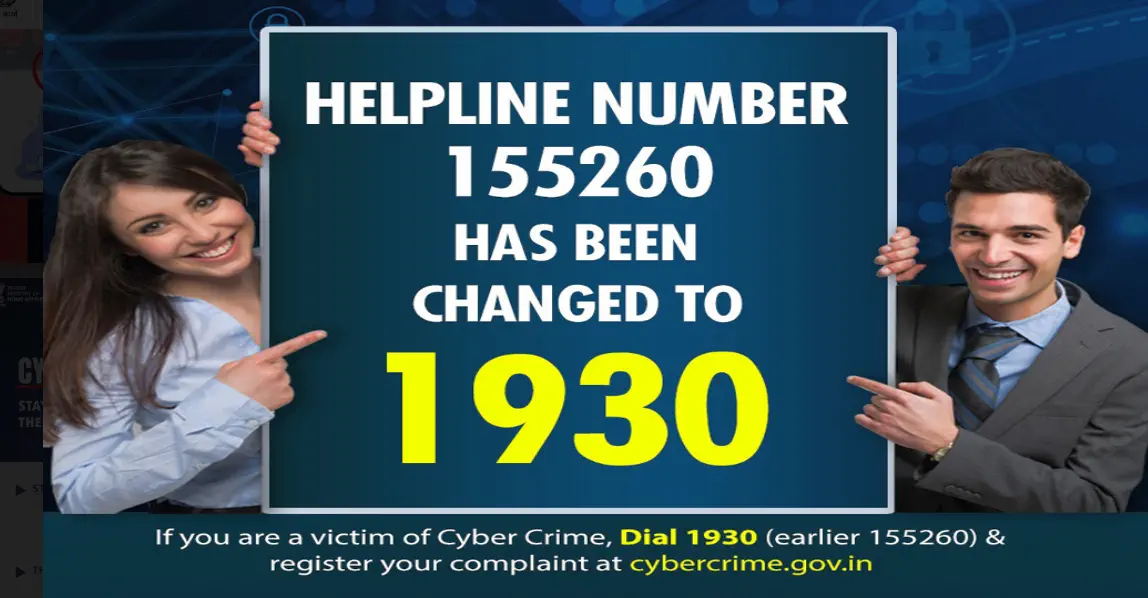
The campaign has introduced simple but valuable tools for citizens. A guidebook was created to explain, in easy language, how to spot fraud, what habits to follow, and where to report if something suspicious happens. This is an important step, because cybersecurity often sounds complicated, full of jargon that only experts understand. But staying safe online doesn’t need to be complex. It can be as simple as never clicking on unknown links, never sharing private details with strangers, and always confirming the identity of the person you are speaking to. These small habits, when repeated daily, turn into reflexes. And those reflexes become our strongest defence.
Another powerful aspect of the campaign is its focus on community. Cybercrime thrives in silence. If a scam happens to someone and they feel too embarrassed to talk about it, the criminal wins again. But when people share their experiences, when they warn others about new scams, and when families openly discuss digital safety, the risk is reduced. Think of it this way: if you teach your parents about AI voice scams, they will be better prepared. If teachers explain phishing to students, those children will grow up more cautious. Awareness spreads like ripples in water. One person can protect many.
To strengthen this impact, the campaign also brought in celebrities and educators. Familiar faces help carry the message faster, and expert voices add credibility. When an actor or public figure speaks about online safety, it reaches millions who might otherwise ignore the issue. When teachers and professionals explain it in classrooms and workplaces, the lessons stick. This mix of influence and education is what makes the campaign more than just a government announcement. It feels like a social movement.
But let’s get real for a moment. All campaigns, all speeches, and all booklets mean nothing unless you take action. You don’t need to be a cybersecurity expert to stay safe online. You just need to be alert and responsible. Start today by checking the identity of every suspicious call or message. Pause before clicking on a link, no matter how urgent it looks. Keep your devices updated. Talk openly about scams with your family. And if you see something odd, report it immediately. These are not big changes. They are small habits that can protect your money, your data, and your peace of mind.
At the heart of Cyber Awareness Month 2025 lies one powerful truth: responsibility. Technology is neutral. It doesn’t decide whether to help or harm. That choice rests with us. If we use it with care, it will continue to transform lives in the best ways possible. If we misuse it, it will create chaos. The responsibility is not just on governments or companies. It is on every single person who holds a smartphone, uses an app, or answers a call.
The digital world is only getting bigger. Every day, there are new tools, new platforms, and new ways to connect. With each one, the risks grow as well. Cyber Awareness Month 2025 is a chance to pause and reset. It is an invitation to build habits that make us stronger, to treat our online world with the same caution we use in the real world, and to finally stop believing that “it won’t happen to me.” The truth is, it can happen to anyone. But with awareness, responsibility, and action, it doesn’t have to.
So, ask yourself again: when was the last time you truly thought about your digital safety? If your answer is not recently, then this is the perfect time to start. Cyber Awareness Month 2025 is here, and it is reminding us all that online safety is no longer optional. It is survival.
Also Read: Can you recall the last smile that wasn’t just on your lips, but in your eyes too?
Subscribe Deshwale on YouTube


