









Surviving the searing heat, scarce water, and freezing nights of deserts requires incredible ingenuity – and desert animals are some of nature’s most creative engineers. From beetles that drink fog to mammals that barely sweat, these creatures embody resilience.
Evading Heat
Many desert animals are nocturnal, venturing out only at night when temperatures drop. Fennec foxes, with their oversized ears, radiate heat to stay cool while listening for prey beneath the sand.
Reptiles like sidewinder rattlesnakes use a unique sideways movement to minimise contact with burning sand, keeping their bodies cooler while moving quickly.
Mastering Water Conservation
Desert animals can go astonishingly long without water. Kangaroo rats get all the moisture they need from seeds, producing metabolic water as they digest food. Their kidneys concentrate urine into tiny amounts, losing minimal water.
Insects like the Namib Desert beetle climb dunes before dawn, catching fog droplets on their bumpy backs and funnelling water straight to their mouths.
Surviving Temperature Swings
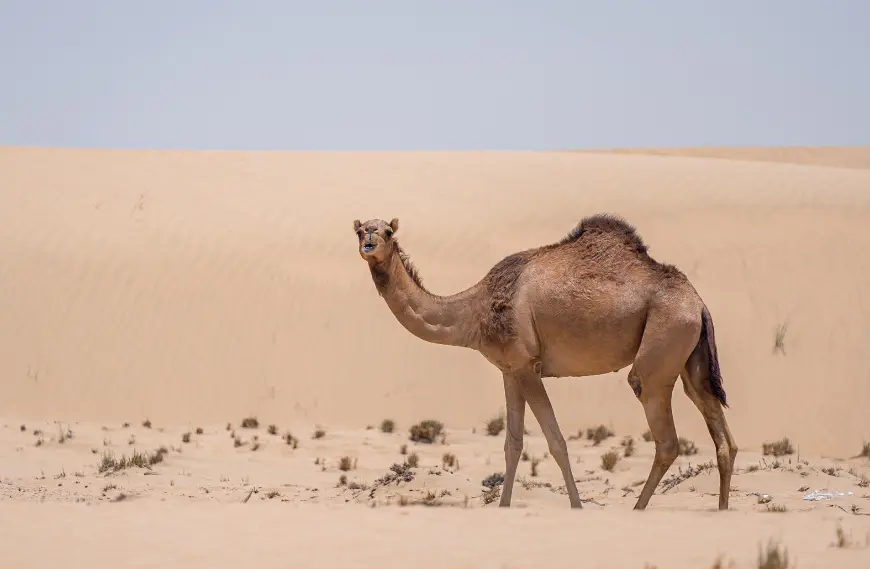
Deserts swing from scorching days to near-freezing nights. Some animals, like Gila monsters, stay underground in burrows to regulate temperature. Camels store fat in their humps – not water – which can be converted into energy and water during long journeys without drinking.
Camouflage and Defense
Sandy colours help many animals blend in, from horned lizards to sand vipers. Thorny devils in Australia have spiky skin that collects dew, directing it to their mouths through capillary action.
Incredible Migrations
Some birds, like the Egyptian vulture, migrate thousands of kilometres across deserts each year, relying on thermal updrafts to soar with minimal energy use.
As evolutionary biologist Dr Jenny Duberstein notes: “Desert animals don’t endure hardship – they’ve turned scarcity into an advantage, thriving where life seems impossible.”


