










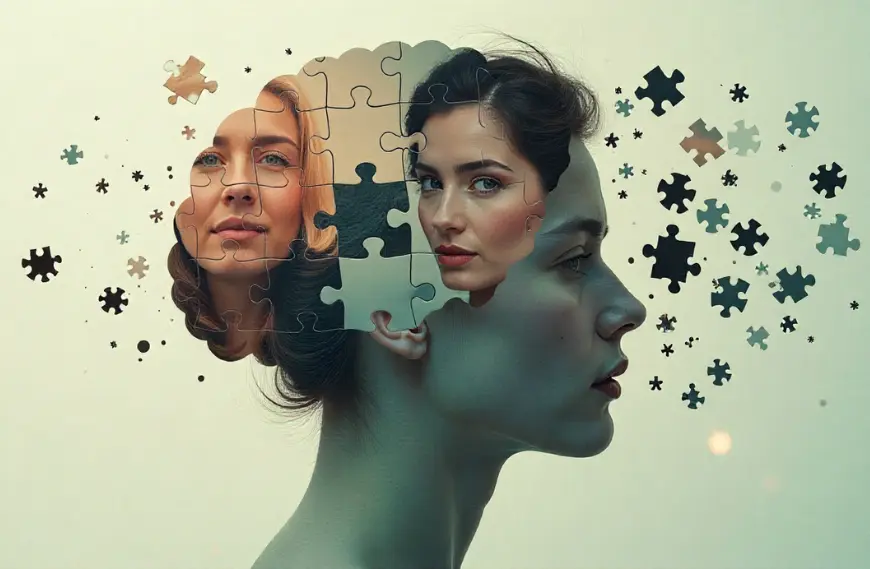
What if some of your cherished memories never really happened? False memories are vivid recollections of events that did not occur or occurred differently, and they reveal the astonishingly creative yet fallible nature of human memory.
Memory Is Not a Video Recorder
We often think of memory as a faithful playback of past experiences. In reality, it is a reconstructive process. Each time we recall something, we rebuild it from fragments of sights, sounds, emotions, and context. With every reconstruction, the memory can change slightly.
Psychologist Elizabeth Loftus demonstrated how easily memories can be influenced. In her experiments, participants exposed to misleading questions recalled seeing things that never happened, such as broken glass at a car accident or even Bugs Bunny at Disneyland.
The Science Behind False Memories
When a memory is stored, the brain saves only key details. During recall, the gaps are filled with inference, imagination, or suggestion. Over time, retelling a story can make inaccuracies feel more real.
Brain imaging studies show that both real and false memories activate similar brain regions, including the hippocampus and prefrontal cortex. This explains why false memories often feel just as vivid and convincing as real ones.
Everyday Examples
Many people believe they returned an item only to find it still at home. Others remember conversations that never happened or recall early childhood events they only heard about through family stories. These slips are common and illustrate how memory is influenced by context, expectations, and social interaction.
The Mandela Effect
The Mandela Effect occurs when large groups of people remember something incorrectly. Famous examples include believing the Monopoly man has a monocle, or misquoting well-known movie lines. Social reinforcement often strengthens these false beliefs.
The Dangers of False Memories
In criminal justice, eyewitness testimony is notoriously unreliable. Elizabeth Loftus’s studies revealed how police questioning, media coverage, and courtroom pressures can implant false memories, sometimes leading to wrongful convictions. False memories can also spark family disputes, false accusations, and confusion in relationships.
Can We Prevent Them?
While false memories cannot be completely avoided, their impact can be reduced. Keeping objective records, questioning assumptions, and recognising the influence of leading questions can help. By accepting memory’s fallibility, we also learn to be more compassionate when others recall events differently.
Memory’s Double-Edged Sword
Memory shapes our identity and gives meaning to our lives. Yet its imperfections remind us that truth is often slippery. Instead of fearing false memories, embracing their reality helps us appreciate the fragile and complex beauty of the human mind.


