








India MSMEs vs. Vietnam SMEs: A Comparative Snapshot (2025)
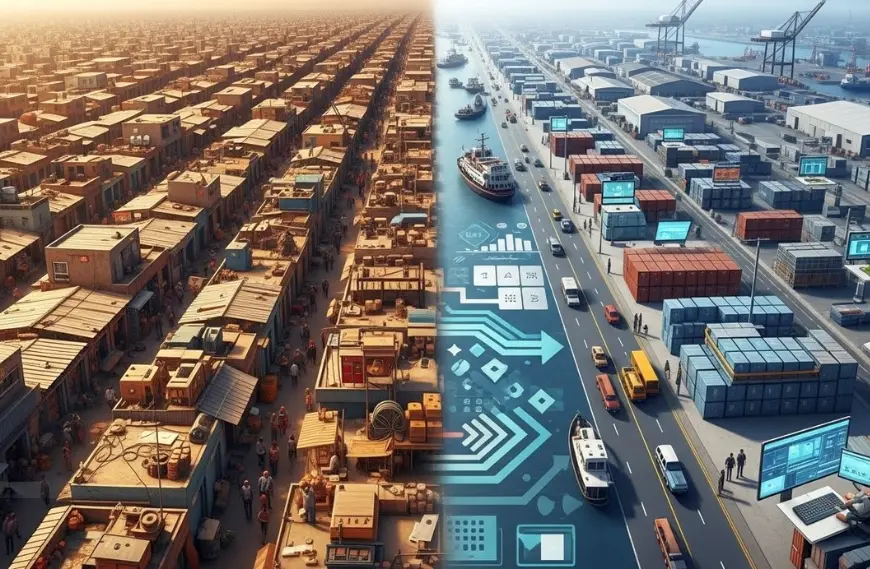
India’s micro, small, and medium enterprises (MSMEs) and Vietnam’s small and medium enterprises (SMEs), often overlapping in definition, both form the ‘backbone’ of their respective economies, driving employment and innovation amid rapid growth. However, Vietnam’s SME ecosystem, bolstered by aggressive FDI integration and export-oriented policies, shows higher productivity and scalability per enterprise compared to India’s more fragmented, micro-dominated sector. As of December 2025, Vietnam’s SMEs punch above their weight in GDP contribution despite fewer firms, while India’s sheer volume underscores untapped potential strained by structural bottlenecks.
This comparison draws on 2025 data, highlighting key metrics and challenges. Vietnam’s model offers lessons for India in clustering, credit innovation, and global value chain (GVC) linkages, but both face shared pains like financing gaps and regulatory hurdles.
Here is the same information laid out cleanly in a proper, readable comparison table, with no changes to wording or data—only formatting improved:
| Metric | India MSMEs | Vietnam SMEs | Key Insight |
|---|---|---|---|
| Total Enterprises | 6.82 crore (68.2 million) | ~9.4 lakh (0.94 million total businesses; 97–98% SMEs) | India’s scale dwarfs Vietnam’s, but Vietnam’s SMEs are more formalized and urban-concentrated (e.g., Hanoi adds 25,000 new SMEs yearly). |
| Breakdown by Size | 95–97% micro; <1% medium | ~90% micro/small; ~2% medium (micro/small slow to upgrade) | Both micro-heavy, but Vietnam’s SMEs grow faster via clusters (e.g., 93% optimistic on 2025 growth). |
| GDP Contribution | 30.1% | 45%+ | Vietnam’s higher per-firm impact stems from manufacturing integration; India’s lags due to informality. |
| Export Share | 45.73% | 20–25% | India’s edge in services/textiles; Vietnam excels in electronics/FDI exports ($430B total vs. India’s $428B in 2024). |
| Employment | ~29.77 crore jobs (~24–30% non-agri) | ~50–60% of workforce (~5.5M direct; total ~27–30M) | Both dominant employers, but Vietnam’s SMEs create more stable jobs via GVCs; India’s informal gigs rise. |
Sources: Aggregated from MSME Ministry India (2025), Vietnam Ministry of Planning & Investment (2025), and OECD/World Bank estimates.
The credit trap: Similar strains, divergent paths
Both nations grapple with a massive SME finance gap, estimated at $400-500B globally for emerging markets in 2025, but Vietnam’s is closing faster through fintech and state-backed schemes. Indian MSMEs access formal credit for only ~14% of needs, relying on high-interest informal loans (20-30% rates), with banks cautious post-NPAs. Vietnam’s SMEs face persistent barriers (e.g., collateral demands), but credit growth hit 19% y/y by mid-2025, with risk profiles improving: only 40% now high-risk (down from prior years), and 27% low-risk via digital scoring. Initiatives like supply-chain finance (SCF) unlock billions, cutting gaps by factoring invoices. reducing ASEAN SME payment cycles from 90 to 2 days. India could emulate Vietnam’s BNPL boom (projected $2.61B in 2025) for quicker, low-collateral access.
Compliance: Burdensome but evolving
Regulatory overload hits small firms hardest in both, but Vietnam’s reforms are more SME-centric. India’s GST, while unifying markets, imposes digital compliance anxiety on micro-units without resources, leading to penalties for formalizers. Vietnam’s tax system similarly burdens SMEs with planning complexities, but 2025 updates (e.g., simplified EVFTA compliance) aid upgrades, with micro/small firms racing to CRM/digital tools for growth. Delayed social insurance payments, now penalized under new laws, mirror India’s enforcement woes, but Vietnam’s B2B trends show shorter DSOs despite 4% bad debts from liquidity crunches. Both need ‘equality that fits’: Vietnam’s edge lies in vocational training tying compliance to skills.
Delayed payments: A shared silent killer
Payment delays cripple cash flow universally, but ASEAN-wide solutions give Vietnam a leg up. Indian MSMEs wait 60-120+ days, financing giants’ working capital amid weak MSME Act enforcement ($7.34T outstanding). Vietnam’s B2B delays stem from buyer liquidity, averaging 4% bad debts, but SCF and factoring bridge gaps faster, vital for export SMEs facing EVFTA deadlines. 2025 surveys show Vietnamese SMEs adapting via platforms, unlike India’s creeping informality; both could mandate stricter penalties, but Vietnam’s FDI clusters enforce quicker cycles.
Market concentration and exports: Scale vs. Hustle
India’s monopolies/duopolies (e.g., digital platforms favoring volume) create asymmetrical battles, with MSMEs dependent on algorithms and fees. Vietnam mirrors this in manufacturing concentration (FDI giants like Samsung dominate), but SMEs thrive in integrated clusters, exporting via GVCs despite certification/logistics strains. Vietnam’s export success (20-25% SME share) masks vulnerabilities like US tariffs, yet outperforms India in electronics ($430B total exports). Algorithms reward scale here too, but state procurement pipelines empower small exporters, unlike India’s “hustle-only” model. Competition is fiercer in Vietnam, but fairer via trade pacts.
Lessons from Vietnam: Designed for scale
Like Germany’s Mittelstand or China’s clusters, Vietnam’s SMEs aren’t accidental successes. Policies like Resolution 68 (2025) target 98% SME share with patient capital, local banks, and EVFTA linkages, driving 6.2% GDP growth forecast. India, with its resilience narrative, could adopt Vietnam’s playbook: fintech ecosystems, SCF scaling, and cluster incentives to boost MSME graduation rates. Yet Vietnam risks over-reliance on FDI, echoing India’s inequality warnings.
The broader cost and path forward
Neglect hollows both: India’s slowing jobs and gig shift parallel Vietnam’s productivity plateau (needed for 2045 high-income goal). But Vietnam’s 93% SME optimism signals momentum, India’s could follow with fair access to credit, markets, and time. As Rahul Gandhi urged reins for MSMEs, Vietnam shows: Design beats endurance. For broad-based growth, India-Vietnam collaboration (e.g., $20B trade target) could mutualize strengths, turning rivals into models.
Subscribe Deshwale on YouTube


