










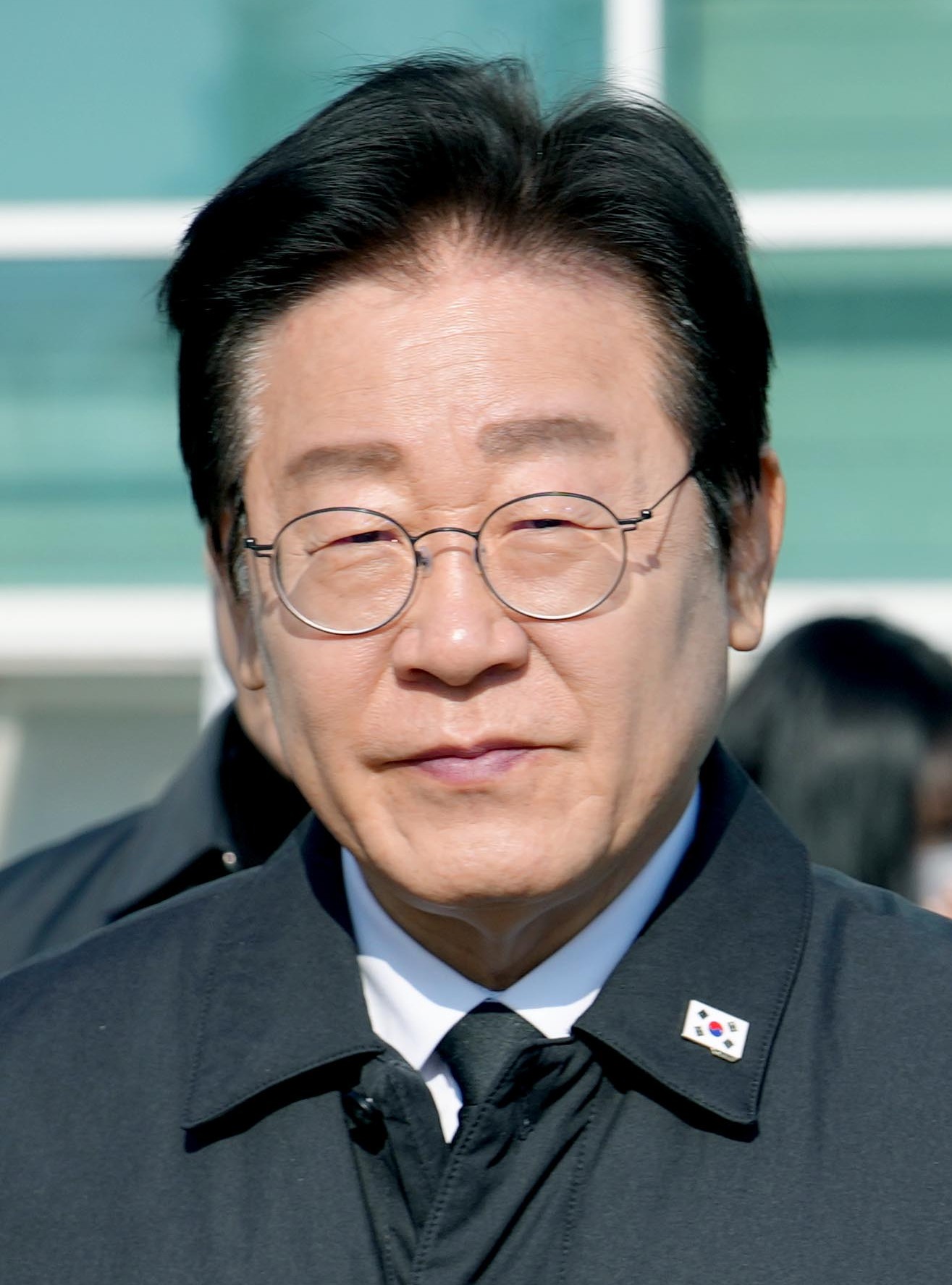
Today On 4 June 2025, South Korea welcomed Lee Jae-myung as its new president. His victory, with 49.42% of nearly 35 million votes, ended months of political turmoil after the impeachment of Yoon Suk Yeol. Lee’s journey—from a child labourer to a liberal leader—mirrors South Korea’s rise from poverty to prosperity. For India, a nation navigating its own political and economic challenges, Lee’s story offers inspiration. How can a leader’s resilience shape a nation? Let’s explore Lee’s path and what India can learn.
From Humble Roots to National Stage
Lee Jae-myung was born in 1963, when South Korea’s per capita GDP was akin to sub-Saharan Africa’s. Raised in poverty, he worked in factories as a boy, suffering an arm deformity from an accident. A school dropout, he later became a human rights lawyer through sheer grit. His story resonates with India, where 27% of the population lives below the poverty line (World Bank, 2023). Leaders like Lal Bahadur Shastri, who rose from humble beginnings, show India values such perseverance. Lee’s populist style, focusing on inequality, echoes Indian leaders like Arvind Kejriwal, who champion the common man.
Navigating Political Storms
Lee’s path wasn’t easy. He survived a knife attack, faced criminal charges, and opposed a martial law decree in 2024. His defiance, sneaking past military cordons to vote against martial law, galvanised public support. This resilience mirrors India’s own history of political upheavals, like the Emergency of 1975. Indian leaders, from Jayaprakash Narayan to modern activists, have shown similar courage against authoritarianism. Lee’s ability to unite a fractured nation post-crisis offers a lesson: strong leadership can heal divides. Can India’s leaders draw from this to bridge regional and ideological gaps?
Economic Challenges and Global Pressures
Lee inherits a tough landscape. South Korea’s economy faces slowing growth and US tariffs under Donald Trump, threatening steel and aluminium exports. With 50% levies looming, Lee prioritises cost-of-living relief for low-income families. India, too, grapples with economic woes—unemployment at 7.8% (CMIE, 2025) and inflation hitting rural households hard. Lee’s pragmatic, market-oriented approach could inspire India to balance welfare with growth. For instance, India’s PM-KISAN scheme supports farmers, but broader job creation, like South Korea’s tech-driven model, could address youth unemployment.
Foreign Policy: A Delicate Balance
Lee’s foreign policy aims to strengthen US-South Korea ties while opening dialogue with North Korea. This dual approach contrasts with India’s balancing act between the US and Russia amid global tensions. Lee’s promise to engage North Korea, despite its nuclear threats, recalls India’s efforts to mediate in conflicts like Ukraine-Russia. His focus on trilateral cooperation with the US and Japan could inspire India to deepen its Quad alliance with the US, Japan, and Australia. Yet, Lee’s critics, like those on X, warn of his pro-China leanings, a concern for India given its border disputes with China.
Lessons for Indian Leadership
Lee’s victory highlights the power of populist, people-centric leadership. In India, where 65% of voters are under 35 (Election Commission, 2024), leaders must address youth aspirations. Lee’s focus on inequality and economic revival could guide Indian policies like Skill India, which aims to train 400 million workers by 2030. His resilience against adversity—legal battles, physical attacks—offers a model for Indian leaders facing criticism or polarisation. Unlike South Korea’s snap election, India’s democratic cycles allow time for course correction. Can Indian leaders adopt Lee’s grit to tackle issues like farmer distress or urban unemployment?
A Shared Future with India
India and South Korea share deep ties. Prime Minister Narendra Modi congratulated Lee, vowing to strengthen the India-ROK Special Strategic Partnership. Bilateral trade reached $27 billion in 2024 (MEA), with South Korean firms like Samsung thriving in India. Lee’s leadership could boost tech collaborations, like India’s semiconductor push. His focus on dialogue with adversaries could inspire India to navigate tensions with neighbours like Pakistan. As both nations face global economic headwinds, Lee’s pragmatic governance offers a blueprint for India to blend welfare with innovation.
Conclusion: What Can India Take Forward?
Lee Jae-myung’s rise from poverty to presidency is a story of grit and hope. For India, it’s a reminder that leaders rooted in people’s struggles can drive change. His focus on economic revival, resilience, and diplomacy holds lessons for Indian policymakers. As India aims for a $5 trillion economy by 2030, Lee’s approach—balancing welfare with global partnerships—could light the way. What challenges do Indian leaders face in emulating such a path? How can we unite a diverse nation for progress? Share your thoughts, and let’s discuss India’s future


