










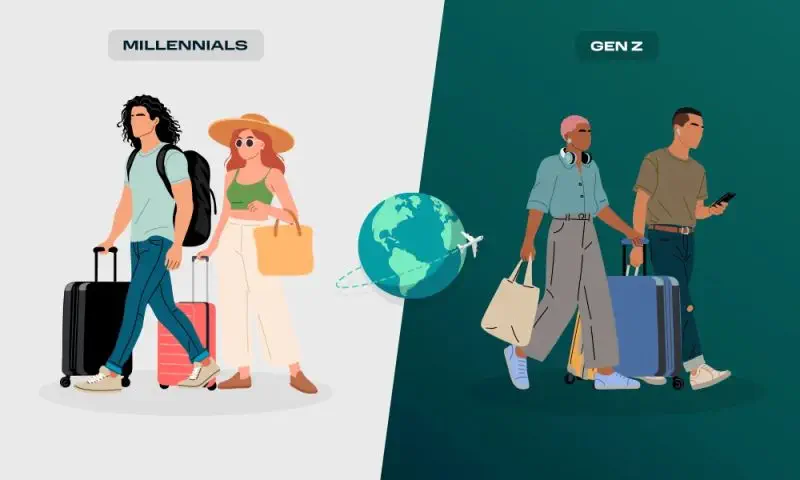
Imagine this: you’re sipping chai in a 200-year-old palace, surrounded by intricate architecture and stories of royalty. That’s not just a daydream—it’s the kind of holiday Millennials and Gen Z are chasing. A recent Noormahal Palace survey reveals that young Indian travellers, aged 18 to 34, are ditching cookie-cutter vacations for heritage luxury staycations. They want culture, history, and a touch of grandeur. Let’s unpack why this trend is taking off and what it means for travel.
A New Kind of Holiday
Young travellers aren’t booking generic beach resorts anymore. The Noormahal Palace survey, conducted across Delhi, Mumbai, Jaipur, Karnal, and Kolkata, found that 53% of 2,000 respondents aged 18–34 chose heritage properties over typical hotels last year. Why? They crave experiences that feel authentic. Think palaces turned into hotels, where every corner whispers history. These stays offer a connection to India’s past, blending modern comfort with cultural depth.
Why Heritage Matters
For Millennials and Gen Z, it’s not just about luxury—it’s about meaning. The survey showed they value unique architecture, rich history, and personalised service. A marble courtyard or a vintage chandelier isn’t just pretty; it tells a story. One respondent said staying in a heritage property felt like “living in a history book.” These travellers want to feel part of something bigger, not just snap a selfie and leave.
The Instagram Effect
Let’s be real: social media plays a role. The survey noted that 28% of young travellers want “Instagrammable” moments. A stunning haveli backdrop or a candlelit dinner in a royal dining hall? Pure gold for their feeds. But it’s not just about likes. These moments make the trip memorable. Roop Partap Choudhary, Executive Director of Noormahal Palace, put it well: “Young travellers want authenticity and a connection to heritage.” Social media just amplifies the story.
Paying for the Experience
Here’s the kicker: Millennials and Gen Z are willing to splurge. The survey found they’ll pay a premium for stays that offer cultural immersion. Forget budget hostels—these travellers want exclusivity. A heritage property might cost more, but it delivers something a chain hotel can’t: a sense of place. Whether it’s a restored fort or a maharaja’s summer palace, the experience feels worth it. It’s like buying a piece of history for a weekend.
A Shift in the Travel Scene
This trend is shaking up India’s hospitality industry. Hotels are rethinking their offerings to cater to this demand. Heritage properties aren’t just old buildings; they’re curated experiences. Think guided tours of ancient courtyards or cooking classes with recipes passed down for generations. The survey showed 19% of respondents picked destinations based on their heritage story. That’s a big signal for hotels to lean into their cultural roots.
Culture Over Convenience
Why are young travellers so drawn to heritage? It’s about connection. Millennials and Gen Z often feel caught in a fast-paced, digital world. A heritage staycation offers a chance to slow down and soak in something timeless. One traveller described it as “a break from the usual chaos.” Instead of chasing Wi-Fi signals, they’re exploring stories etched in stone walls. It’s a way to feel grounded in a world that’s always moving.
The Personal Touch
Personalised service is another big draw. Heritage properties often go beyond standard hotel fare. Staff might share tales of the palace’s past or tailor your stay to your interests. Want a private tour of the property’s secret tunnels? They’ve got you covered. The survey highlighted that young travellers value this attention to detail. It makes them feel special, not just another guest in a crowded resort.
A Broader Trend
This love for heritage isn’t just an Indian thing. Across Asia, young travellers are seeking authentic experiences. A 2023 Klook survey found one in four Millennials in Asia would spend over $3,000 on a culturally rich holiday. Gen Z isn’t far behind, even early in their careers. They’re choosing destinations that align with their values, like sustainability and cultural preservation. Heritage luxury staycations tick all those boxes.
What’s Driving the Shift?
So, what’s behind this? For one, Millennials and Gen Z prioritise experiences over stuff. A 2023 American Express report said 84% of them would rather spend on a dream trip than a luxury item. They’re also more curious about their roots. Growing up in a globalised world, they’re drawn to local culture and history. Plus, the pandemic made staycations popular—people discovered incredible destinations closer to home. Heritage properties became a natural fit.
Challenges for the Industry
It’s not all smooth sailing. Heritage properties can be pricey to maintain. Restoring a 19th-century palace while keeping it Instagram-ready isn’t cheap. Hotels also need to balance authenticity with modern comforts. Young travellers want history, but they also expect fast Wi-Fi and plush beds. Noormahal Palace seems to get this right, blending heritage with world-class amenities. Other properties will need to follow suit to stay competitive.
The Future of Travel
This shift is just the beginning. By 2030, Millennials and Gen Z will dominate global travel, making up over half of leisure trips, according to a Forbes report. Their love for heritage luxury staycations will likely grow. Hotels that can deliver authentic, story-driven experiences will thrive. It’s not just about a place to sleep—it’s about creating memories that linger long after the trip ends.
Why It Resonates
At its core, this trend is about storytelling. Young travellers want to feel part of something bigger than themselves. A heritage staycation isn’t just a getaway; it’s a chance to live a piece of history. Whether it’s sipping tea in a maharaja’s garden or sleeping in a room where royalty once slept, these experiences feel personal. They’re a reminder that travel can be more than just a checklist—it can be a story you carry with you.
Final Thoughts
The Noormahal Palace survey shows Millennials and Gen Z prioritise heritage luxury staycations for good reason. They’re chasing meaning, not just luxury. They want to connect with history, share epic moments online, and feel special. As this trend grows, it’s clear: the future of travel is about stories, not just destinations. So, next time you’re planning a trip, maybe skip the usual hotel. Find a palace, a fort, or a haveli—and step into a story worth telling.
Join our Whatsapp Channel for Latest News and Updates


