










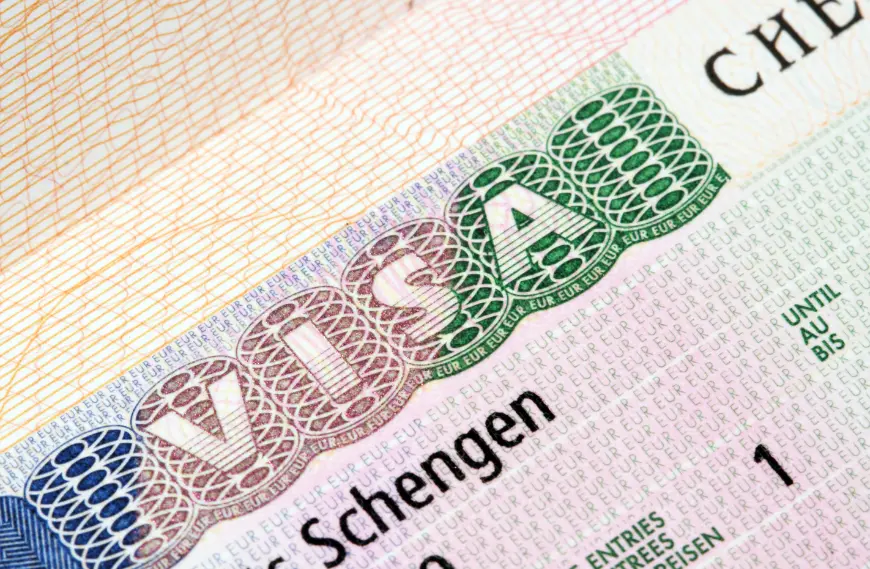
The Schengen visa unlocks 29 European countries for 90-day stays. Indians apply via VFS Global, needing biometrics, €90 fees, and €30,000 insurance. The 2024 cascade system offers two- and five-year multiple-entry visas. Digital visas arrive by 2028, with stricter security in 2025. Rejections cost Indians ₹136 crore yearly. Plan early, submit strong documents, and use the Visa Wizard for a smooth journey.
Dreaming of strolling through Paris, skiing in Switzerland, or exploring Rome’s ancient ruins? The Schengen visa is your golden ticket to 29 European countries. For Indians, it’s a gateway to adventure, business, and family reunions. Yet, navigating its rules feels like decoding a cryptic puzzle. From digital visas to India’s new cascade system, the Schengen landscape is evolving fast. Let’s embark on an A-to-Z journey through this visa, packed with insights to make your European dream a reality. Buckle up – this ride is as thrilling as a Eurostar trip.
Start with A for Application, the first step to Schengen glory. You apply at the consulate of your main destination. Planning a multi-country trip? Choose the country where you’ll spend the most time. If stays are equal, pick your first entry point. Applications need a valid passport, photos, travel insurance, and proof of funds – €50-€75 daily, per country. “A smooth application is like a well-planned itinerary,” says travel expert Riya Sharma. Submit 15 days to six months before travel, booking an appointment via VFS Global in India.
B stands for Biometrics, a must for first-time applicants. Fingerprints and facial scans are collected at visa centres. These stay valid for five years, easing future applications. In 2025, biometric scrutiny tightened, ensuring security. India’s VFS centres, from Delhi to Bengaluru, handle this seamlessly. C is for Cascade, a game-changer for Indians. Since April 2024, two Schengen visas used lawfully in three years qualify you for a two-year multiple-entry visa (C2). Use it well, and a five-year C5 awaits, per EU Regulation 810/2009. This rewards frequent travellers, boosting tourism.
D dives into Digitalisation, set to revolutionise visas by 2028. The EU’s online platform will replace paper stickers with cryptographically signed barcodes. Apply online, upload documents, and pay fees digitally. This cuts fraud and speeds processing, though consulate visits remain for biometrics. E is for ETIAS, the European Travel Information and Authorisation System, launching October 2025. Visa-exempt travellers pay a small fee for pre-authorisation. For Indians, ETIAS doesn’t apply, but it’s a glimpse into Europe’s security focus.
F highlights Fees, which rose 12.5% in June 2024. Adults pay €90, children €45. Non-refunded on rejection, fees cost Indians €15 million annually, per SchengenVisaInfo. G is for Golden Visas, though fading. Spain axed its programme in April 2025, but Portugal’s cultural investment route persists. These offer residency, not Schengen travel, but attract Indian investors. H is for Health Insurance, mandatory at €30,000 coverage for short stays. In 2025, long-stay requirements hit €50,000, ensuring emergency care.
I introduces Itinerary, a critical application component. Detailed travel plans – flights, hotels, or host invitations – prove intent. Vague itineraries risk rejection, a lesson for Indian applicants. J is for Jobs, as Schengen visas don’t permit work. Seasonal work visas, like Norway’s, are separate, targeting agriculture or tourism. K stands for Kids, with children under six exempt from fees. Parents must submit birth certificates and consent letters if travelling alone.
L leaps to Long-Term Visas, like C5 for Indians. In 2025, Germany and Italy boosted work visas by 22,422 and 10,000, respectively, addressing labour shortages. M is for Multiple-Entry Visas (MEVs), prized by frequent travellers. Over 9.7 million visas issued in 2024, half were MEVs, per the European Commission. Indians benefit from relaxed rules, with 14.6% more applications. N notes Norway’s seasonal visa tweaks, requiring higher salaries from September 2025, impacting Indian workers.
O opens Online Platforms, like the EU’s upcoming visa portal. Until 2028, VFS Global remains India’s go-to. P is for Passport, needing three months’ validity post-departure. A common rejection reason, per VFS, is insufficient validity. Q stands for Queue, as appointment wait times plague Indians. Germany’s new business and trade fair categories, launched 2024, cut delays, offering near-instant slots. Processing averages 15 days, plus six for logistics.
R reveals Rejections, a sore point. In 2024, 165,000 Indian applications were denied, costing ₹136 crore. Weak documentation or travel history triggers refusals. S is for Security, bolstered by 2025 visa sticker upgrades – holograms, microtext, and barcodes reduce fraud. “Security is non-negotiable,” says EU Commissioner Ylva Johansson. T tackles Transit Visas, like Type A for airport layovers. Spain now requires these for Russians, a model for stricter controls.
U underscores Uniform Schengen Visa (USV), or Type C, for 90-day stays in 180 days. It covers tourism, business, or family visits. V is for Visa Wizard, SchengenVisaInfo’s tool to check requirements by nationality and destination. It’s a lifesaver for Indians planning multi-country trips. W warns of Work Restrictions. Schengen visas bar employment, a pitfall for unaware travellers. National D-visas are needed for work.
X marks Xenophobia concerns, as stricter rules – like Latvia’s 2025 entry curbs – spark debate. Indian applicants face scrutiny, though cascade rules ease access. Y yearns for Youth, with working holiday visas for 18-35-year-olds. These blend work and travel, popular in Sweden and Denmark. Z zooms to Zone, the Schengen Area’s 29 countries, including new members Bulgaria and Romania, fully joined January 2025. Cyprus may follow by late 2025.
The Schengen visa’s allure lies in its promise of borderless travel. For Indians, it’s a bridge to Europe’s culture and opportunities. Yet, challenges – rejections, costs, and delays – persist. With digitalisation and relaxed rules, 2025 is a pivotal year. As Riya Sharma notes, “A Schengen visa is your passport to dreams, if you plan right.” Whether chasing adventure or business, this A-to-Z guide equips you to conquer Europe’s open borders.


