










By Sanjay Shah
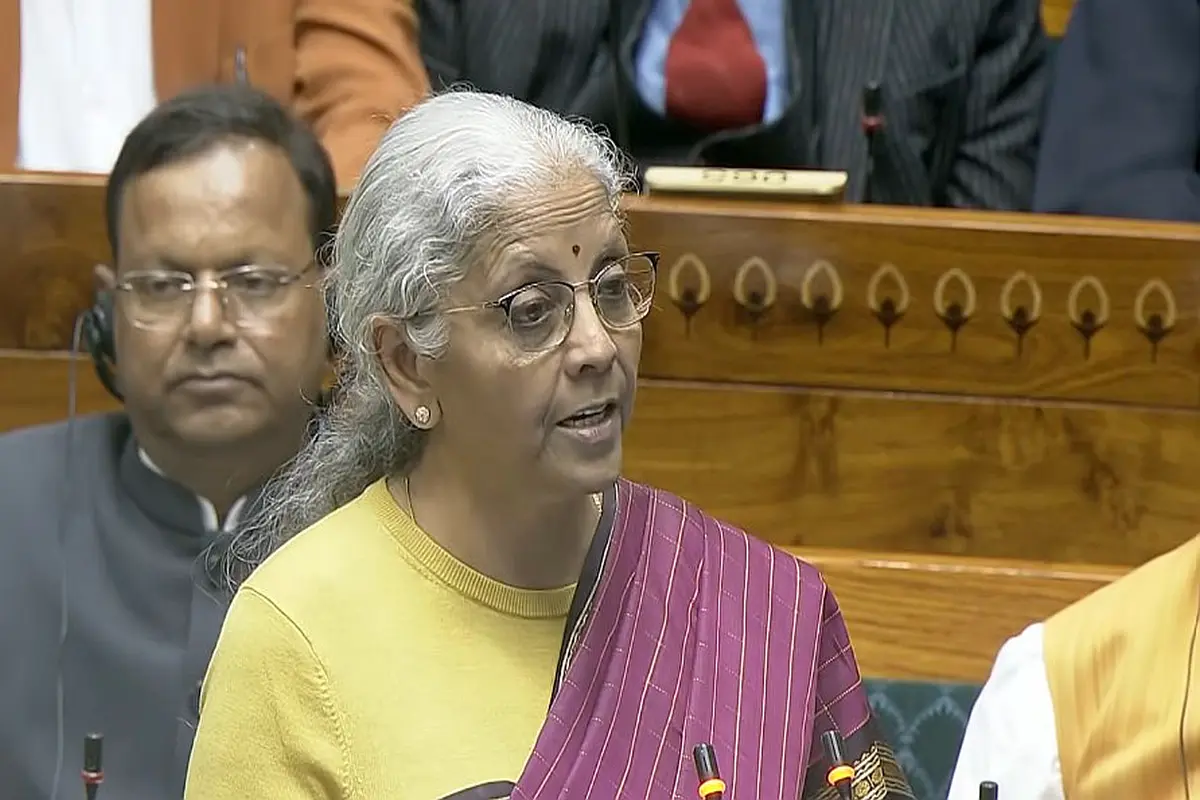
The Modi government’s latest Union Budget, presented by Finance Minister Nirmala Sitharaman, accords tourism a more prominent role in India’s economic strategy than it has received in recent years. Travel is no longer viewed merely as a seasonal pursuit or a promotional exercise. Instead, the Budget treats it as an integrated system that links skills development, transport, ecology, healthcare, culture, and digital infrastructure. Even as a statement of intent, this shift merits close attention.
Tourism in India has long occupied an uneasy position. It is celebrated in speeches and promoted as soft power, yet sustained policy attention has often been lacking. The sector has frequently been left to manage on its own. This Budget appears to acknowledge that inconsistency. Whether it fully resolves it remains to be seen, but the approach feels more pragmatic than in previous years.
One of the clearest indications is the emphasis on experience-led travel. The proposals to develop ecologically sustainable mountain trails and trekking routes in Himachal Pradesh, Uttarakhand, Jammu & Kashmir, Araku Valley in the Eastern Ghats, and Podhigai Malai in the Western Ghats point in this direction. For too long, India’s vast mountain landscapes have been narrowed to a few overcrowded hill stations. The intention now is to look beyond them – to open quieter trails, extend travel across seasons, create opportunities for local guides, and offer visitors more breathing space.
Other countries have followed similar paths before. New Zealand and Switzerland moved away from reliance on well-known towns towards extensive trail networks and guide-led experiences years ago. The result was not merely increased visitor numbers, but better-managed tourism and more resilient local economies. India’s scale is far more complex, yet the direction is recognisably similar.
If managed thoughtfully, this approach could also alleviate environmental pressures. Overtourism has already damaged several destinations. Anyone who has visited popular hill towns during peak season will recognise the strain. Redirecting travellers and reducing pressure on a few hotspots could bring relief. However, intent alone is insufficient. Clear regulations, genuine local involvement, and disciplined implementation will be essential. Without these, even promising ideas can falter.
The Budget also focuses on people, which may prove its quietest strength. The pilot scheme to upskill 10,000 tourist guides across 20 iconic destinations through a standardised, high-quality 12-week hybrid training programme, in collaboration with Indian Institutes of Management, addresses a persistent gap. Roads and airports bring visitors in; people shape the experience. A well-trained guide can transform how a place is perceived. A skilled hospitality professional can determine whether a traveller returns. Over time, these factors influence not just visitor numbers, but the overall value derived from tourism.
The upgrade of the existing National Council for Hotel Management and Catering Technology into a National Institute of Hospitality further strengthens professional education in the sector, bridging academia, industry, and government to build world-class talent.
Medical tourism receives sharper attention, and rightly so. Few sectors combine India’s advantages in affordability, expertise, and global demand as effectively. The proposal to support states in establishing five regional medical hubs, in partnership with the private sector, integrates modern healthcare with AYUSH centres, diagnostics, post-care, and rehabilitation facilities. Medical travellers tend to stay longer and spend more, but competition is fierce and margins are tight. A cumbersome visa process or poor coordination could erode the edge. Execution will determine the results.
Eco-tourism and wildlife initiatives add further depth. Turtle trails along key nesting sites in Odisha, Karnataka, and Kerala; birdwatching circuits; and the proposed first Global Big Cats Summit signal renewed commitment to nature-based travel. India’s biodiversity is a remarkable asset, but a fragile one. Wildlife tourism succeeds only when tightly regulated. When done well, it safeguards nature and sustains livelihoods; when mismanaged, it harms both.
Heritage tourism, predictably, features prominently. Fifteen archaeological sites including Sarnath and Hastinapur are to be developed into vibrant, experiential cultural destinations. A sharper focus on Buddhist circuits, particularly in the North-East, holds particular significance. Across much of Asia, Buddhism remains deeply influential. India’s heritage carries quiet appeal for these markets. Thoughtful preservation, targeted promotion, and digital accessibility will determine how widely that appeal resonates.
The plan to develop new tourism hubs in eastern and north-eastern India aligns with the broader Purvodaya vision. Tourism today remains unevenly distributed, with a handful of states bearing most of the burden. A more balanced spread would relieve pressure on established areas and bring fresh regions into the spotlight. The ambition is evident; credibility will depend on delivery.
Some measures may attract less attention but matter greatly to travellers: electric buses for Buddhist sites, promotion of scenic and mountain train journeys, and the creation of a National Destination Digital Knowledge Grid to map cultural, heritage, and tourist sites for easier planning and richer information.
Finally, the reduction in Tax Collected at Source (TCS) on overseas tour packages has prompted discussion. It may lead to higher short-term foreign exchange outflows, but it also supports airlines and tour operators. More fundamentally, it recognises a simple reality: outbound and inbound tourism are not rivals. They form part of the same ecosystem.
This Budget does not promise a tourism revolution. It offers something more measured: a framework that treats tourism less as spectacle and more as strategy. Whether it succeeds will not be determined in Parliament. It will be decided on the ground.


