










Have You Had Your Tea Today?
Here in India, a day without tea feels incomplete. The moment we wake up, the first thought is, ‘Chai ban gayi kya?’ After a shower, we want tea. Come evening after work, we want a cup of tea. Headache, fatigue, rain, or even just feeling a little low… tea is the answer.
When guests arrive, the first offer is always, ‘Pehle ek chai ho jaye.’ And if we are out with friends, sitting at a street-side stall, a conversation feels incomplete without tea.
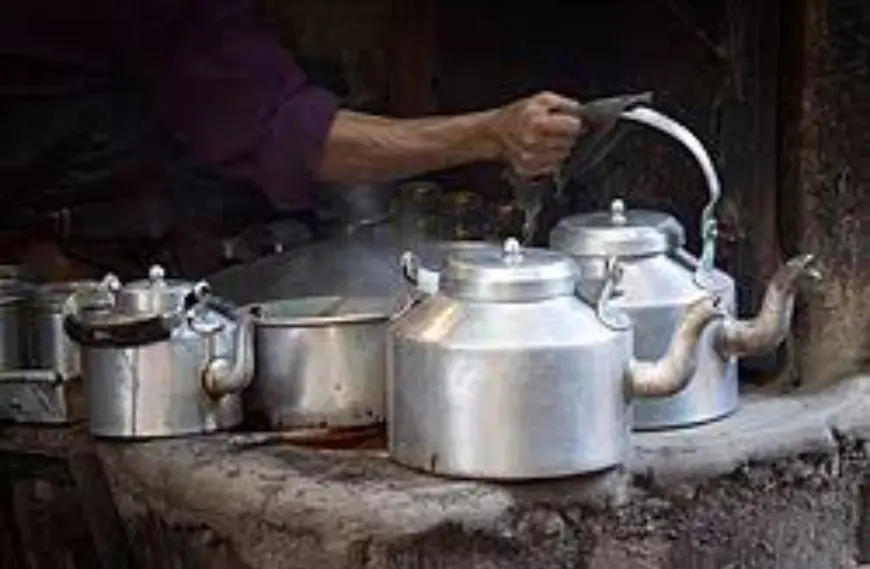
Whether it’s a tea stall’s ‘cutting chai’ or a steaming cup in a clay kulhad on a train, tea in India is more than just a drink it’s an emotion. Sometimes, it feels like a national drink. Because discussions on even the biggest issues often begin with tea.
Tea is no longer just a beverage. It’s our habit, our comfort, our friendship, and at times, even our companion in solitude.
But have you ever wondered… Where did all this tea come from? That cup of tea we rely on so much has a story that goes back thousands of years.
So, let’s sit with a cup of tea and take a journey through its fascinating history. Where did tea originate? Who drank it first? And how did it become India’s lifeblood? Today, we explore the story of tea.
The origins of tea
Tea is not a recent invention. Its roots go back thousands of years. The earliest story comes from China around 2737 BCE. At that time, there was an emperor named Shennong. He was not an ordinary king; he was a master of herbs, a kind of ancient herbal doctor.
One day, while boiling water, some leaves from a wild tree fell into his pot. The emperor was intrigued by the aroma and decided to taste the water. That first sip was the moment that gave the world the gift of tea.
The leaves that fell were from Camellia sinensis, the plant from which tea is made. This was the very first taste of tea in history.
In China, tea was never just a drink. It was medicine, ritual, and part of meditation and yoga. Initially, it was used to aid digestion and relieve fatigue. For centuries, its enjoyment was limited to emperors and monks. And thus began tea’s long journey.
Tea in India before the British
Many people think that the British brought tea to India but that’s not entirely true. Tea existed in India even before British involvement. Indigenous tribes in Assam, particularly the Singpho community, had been using tea leaves for centuries. They dried the leaves, smoked them in bamboo, and brewed a drink called Dhuan Chang.
For them, it was not just about taste it was medicinal, helping with ailments and digestion. Some legends even suggest that Ayurvedic spiced drinks similar to tea were served in Emperor Ashoka’s or King Harshavardhan’s courts, though these did not use tea leaves.
The British discovery of tea in India
When tea became popular in Britain and imports from China grew expensive, the East India Company sought to cultivate tea in India. In 1776, Sir Joseph Banks suggested that India’s soil and climate were ideal.
In 1823, Scottish explorer Robert Bruce, with the help of local landowner Maniram Dewan, discovered wild tea plants in Assam’s Brahmaputra Valley. This marked the start of commercial tea cultivation in India.
Soon, tea plantations spread across Assam, Darjeeling, and the Nilgiri hills. But who drank this tea? Initially, it was the British and wealthy Indians who had adopted British habits.
The rise of masala chai
The real transformation came in the 1930s. British tea exports to India were not profitable, so the Indian Tea Market Expansion Board decided to focus on Indian consumers. Free tea was distributed at railway stations, markets, and offices. Advertisements encouraged people to drink tea as a modern habit.
But India did not drink it like the British with plain milk and sugar. Indians added spices ginger, cardamom, cloves, black pepper and boiled it well. This created the now-famous masala chai.
Then came the game-changer: CTC (Crush-Tear-Curl) tea. Affordable, strong, and full of the local taste, it made tea a staple for all classes.
Tea after Independence
By 1947, when India gained independence, tea had become more than a drink, it was a symbol of connection.
From the calls of ‘Tea… hot tea!’ at railway stations, to tea breaks at offices and street-side tea stalls, tea became the heartbeat of India. Even leaders like Narendra Modi, who once worked as a tea seller, highlight how tea has united people across social classes.
Tea in today’s India
Today, India consumes around 1.1 billion kilograms of tea annually. About 70% of Indians drink tea daily, and more than 2,500 varieties of tea have been produced. Tea lattes and international versions are available, but the real joy still lies in a cutting chai, a full cup, or tea with jaggery.
Tea is more than just a drink
Tea is not just a warm beverage it is an experience, a legacy, and a conversation starter.
From Emperor Shennong’s accidental discovery to becoming India’s morning companion, tea has come a long way.
So, next time you sip your cup of tea, remember you are part of a tradition that spans thousands of years and has shared its flavor with the world.
And if you haven’t had tea today… brew a cup! After all, reading about tea always makes you want to drink it


