











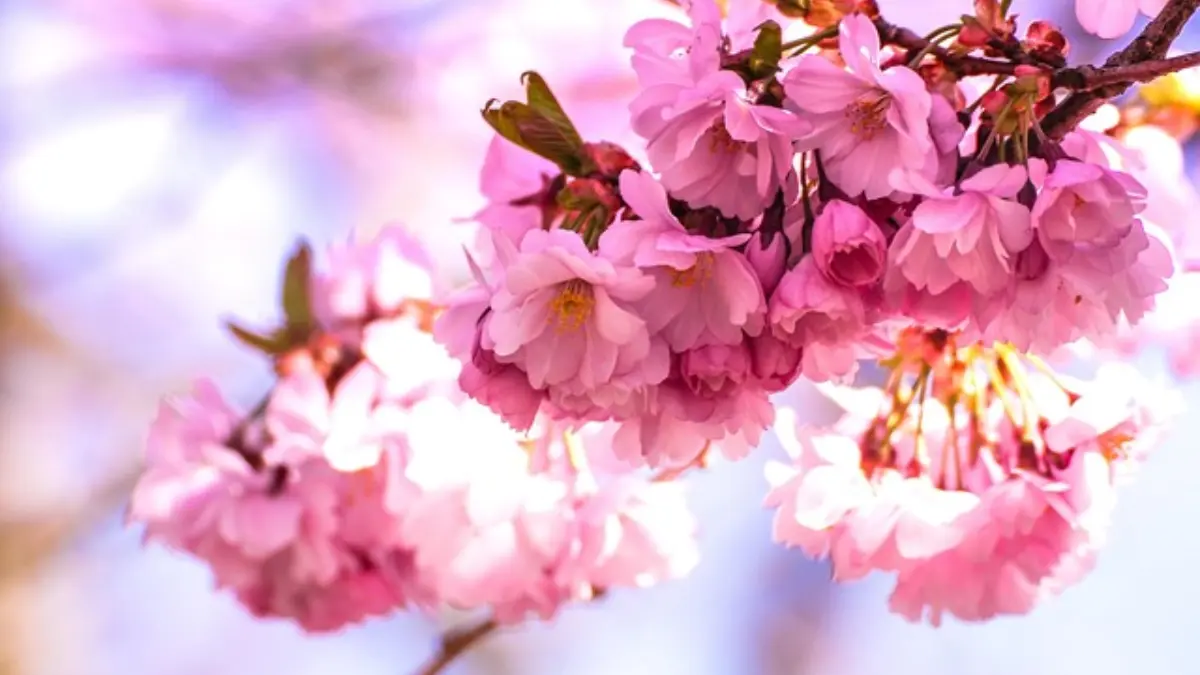
Every spring, streets, parks, and riversides are transformed into delicate pink dreamscapes. Cherry blossoms, or sakura, bloom in unison, offering a brief yet breathtaking reminder of nature’s rhythm. From Tokyo to Washington, D.C., their appearance brings joy, reflection, and celebration.
A Gentle Reminder of Life’s Impermanence
Cherry blossoms are more than just beautiful flowers. In Japanese culture, they symbolise the idea of mono no aware, a quiet recognition of life’s fleeting moments. Their brief bloom mirrors the fragile nature of human life. Within days of their peak, the petals fall like soft rain, reminding us that nothing lasts forever.
Throughout history, sakura have appeared in countless haiku, paintings, and rituals. For the samurai, they stood as a symbol of honour and the short, noble life. Their graceful fall was seen as a perfect metaphor for living with purpose and dignity.
Hanami: Welcoming the Blossoms with Celebration
For over a thousand years, people in Japan have practised hanami, which means “flower viewing”. Families, friends, and strangers come together under blooming cherry trees to enjoy picnics, music, and laughter. The tradition continues today, not only in Japan but across the world.
Some of the most cherished hanami spots in Japan include:
- Ueno Park, Tokyo: A lively scene with over 1,000 cherry trees.
- Maruyama Park, Kyoto: Famous for its graceful weeping cherry tree.
- Yoshino, Nara: Home to over 30,000 sakura trees blanketing the mountains.
These locations draw thousands who come to pause, admire the blossoms, and enjoy the fleeting beauty of nature.
A Worldwide Phenomenon
Though deeply rooted in Japanese culture, cherry blossom celebrations have found a global audience. In the United States, Washington, D.C. hosts the National Cherry Blossom Festival, first held in 1935. It honours the 1912 gift of 3,000 cherry trees from Japan, symbolising friendship between nations.
In South Korea, the Jinhae Cherry Blossom Festival draws millions to streets lined with floral tunnels. Europe is no stranger to the charm of sakura either. Stockholm’s Kungsträdgården and Paris’s Parc de Sceaux offer stunning spring views under cherry canopies.
The Blossoms Themselves
Most ornamental cherry blossoms belong to the Prunus serrulata species. Their flowers range from snow white to rich pink. Some varieties even feature multiple layers of petals, creating a soft, full bloom.
Among the most popular are:
- Somei Yoshino: The most common variety in Japan, with nearly white flowers that appear before the leaves.
- Shidarezakura: A weeping cherry tree with cascading blooms.
- Kanzan: Known for its showy, double-petalled blossoms.
Each variety brings its own charm, from soft and subtle to vibrant and bold.
Role in the Ecosystem
While ornamental cherry trees are mostly grown for their beauty, their wild cousins play important ecological roles. They offer early food sources for bees and other pollinators. Once the petals fall, they decompose, enriching the soil and supporting countless small life forms.
In urban areas, cherry trees also bring natural beauty to grey landscapes, encouraging people to engage with nature more mindfully.
A Living Symbol of Friendship and Peace
Cherry blossoms often serve as quiet ambassadors between nations. The historic tree donation to Washington, D.C. marked a gesture of goodwill that continues to be honoured each spring. Even during political tensions, cherry blossoms remain neutral messengers of peace and shared humanity.
Similar gifts and plantings have taken place in cities around the globe, reinforcing cultural ties and mutual respect.
Facing Modern Challenges
As climate patterns shift, cherry blossoms are blooming earlier in many regions. This change affects festival planning and disrupts the balance between blooms and pollinators. Urban growth, pollution, and tree diseases also pose risks to these cherished trees.
In response, groups like the Japan Cherry Blossom Association work tirelessly to preserve ancient trees and promote sustainable planting of hardy varieties. Their work ensures that future generations will continue to enjoy the magic of sakura season.
As poet Motoori Norinaga once said, “If one should ask you concerning the heart of a true Japanese, point to the wild cherry blossom glowing in the sun.” His words still ring true, capturing the quiet power of these blossoms to reflect human emotions.
Cherry blossoms bloom for only a short time, yet their impact lingers. In their soft petals, we find reminders of beauty, impermanence, and the importance of pausing to appreciate life’s fleeting wonders. Whether admired during a quiet walk or shared at a joyful festival, sakura continues to unite people across cultures and continents.


