










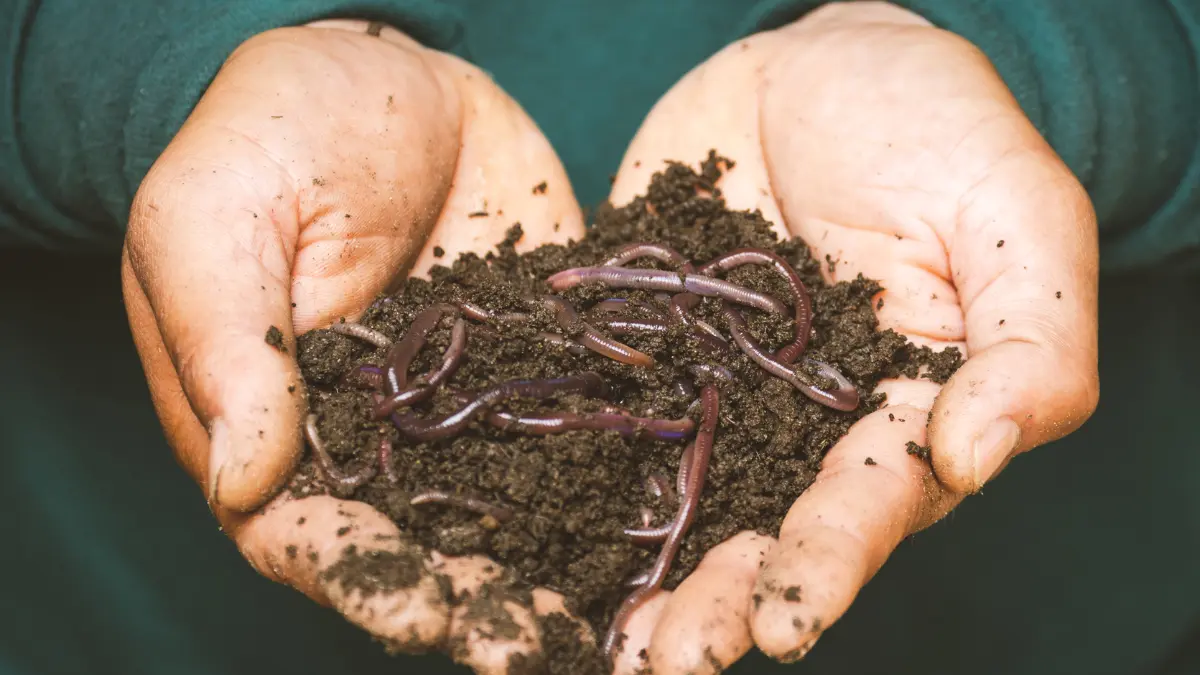
Look beneath your feet and you may find some of the planet’s most important life forms: earthworms. These unassuming creatures quietly shape the very soil we depend on for food, forests, and gardens. Long ago, Charles Darwin noted their importance, famously writing: “It may be doubted whether there are many other animals which have played so important a part in the history of the world as these lowly organized creatures.”
Modern research continues to confirm just how right he was.
How Earthworms Build Better Soil
As earthworms move through the ground, they create complex tunnel networks. These tunnels do more than just help them travel. They:
- Aerate the soil, bringing oxygen to plant roots
- Improve water drainage, helping prevent erosion and flooding
- Break down organic matter, turning waste into rich, fertile humus
This process, known as bioturbation, makes soil more porous and better structured. As a result, plants grow more easily, and ecosystems become healthier.
Masters of Decomposition
Earthworms feed on dead leaves, old roots, and animal manure. As they digest, they produce castings, which are packed with nutrients. These castings contain up to five times more nitrogen, seven times more phosphorus, and eleven times more potassium than the surrounding soil.
One hectare of healthy land can support up to five million earthworms, which together produce hundreds of tonnes of nutrient-rich castings every year. This natural fertilisation improves crop yield and plant health without relying on synthetic inputs.
Helping the Climate Underground
Earthworms do not just help plants. They also help the planet. As they pull organic matter deeper into the ground, they increase carbon storage in soil. This helps reduce carbon dioxide in the atmosphere and supports climate change mitigation.
Studies have shown that soils with active earthworm populations hold more carbon over time, offering long-term environmental benefits.
Support for the Soil Food Web
The tunnels created by earthworms become tiny highways for other soil life. Microbes, fungi, and insects travel through these pathways, making it easier for nutrients to move throughout the soil. Earthworms also spread bacteria and fungal spores, which further improve soil fertility.
This interconnected underground system is called the soil food web, and earthworms sit right at the centre of it.
Global Diversity and Reach
There are more than 7,000 known species of earthworms. These range from the giant Gippsland earthworm in Australia, which can grow over three metres long, to tiny worms found in tropical forest floors. They live on every continent except Antarctica, adapting to a wide range of habitats including deserts, wetlands, grasslands, and rainforests.
Threats Facing Earthworms Today
Despite their importance, earthworm populations are under pressure due to human activity. Key threats include:
- Soil degradation caused by over-ploughing, erosion, and compaction
- Chemical exposure from pesticides and fertilisers, which can poison worms or destroy their food sources
- Invasive species such as European earthworms in North American forests, which displace native decomposers and disrupt ecosystem balance
These problems not only harm earthworms but also affect the overall health of soil and the plants it supports.
Simple Ways to Protect Earthworms
Anyone can help earthworms thrive. Here’s how:
- Reduce tilling in gardens and agricultural fields
- Use compost and organic matter to feed the soil
- Limit chemical fertilisers and pesticides whenever possible
- Maintain ground cover using mulch or plants to protect worms from drying out or being eaten by predators
These small actions create big results for soil health and food production.
Vital Partners in Regenerative Farming
Earthworms play a crucial role in sustainable and regenerative agriculture. Practices like no-till farming, cover cropping, and organic composting encourage larger, healthier worm populations. In turn, these worms improve soil fertility naturally, reducing the need for artificial fertilisers.
As soil biologist Dr Elaine Ingham puts it: “Healthy soil starts with earthworms. If you care about food security, you must care about them.”
Earthworms may be invisible most of the time, but their work is constant and irreplaceable. Whether on a small garden plot or a vast farm, these silent engineers shape the very ground beneath our feet. They turn waste into life and soil into sustenance.


