










The oceans, vast and mysterious, hold secrets not just in their depths but in motion. Across thousands of kilometres of open water, whales and sharks undertake extraordinary migrations that connect distant parts of the globe. These awe-inspiring journeys are not random. They are purposeful quests driven by food, survival and the need to reproduce. They also reveal the intricate web of life beneath the waves, urging us to understand and protect it.
Whales on the Move
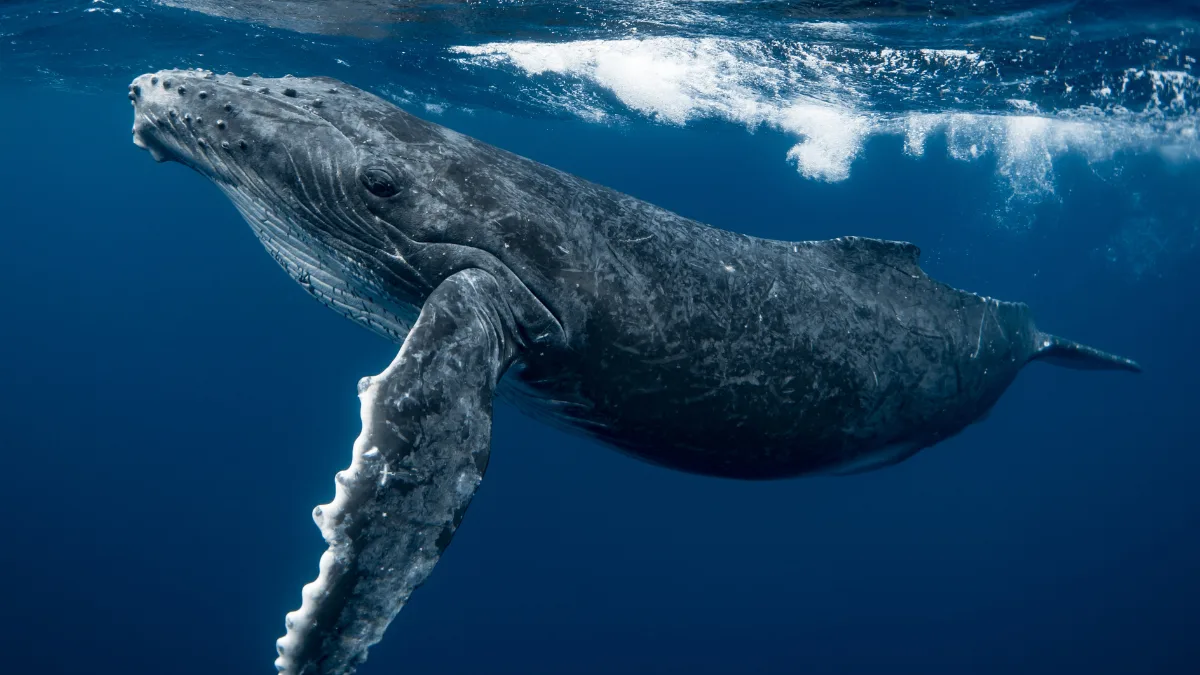
Among the most remarkable travellers of the sea are humpback whales. These gentle giants, growing up to 16 metres long, migrate from the warm breeding grounds of the South Pacific to the icy, food-rich waters near Antarctica. There, they feast on swarms of krill that flourish during the summer plankton bloom. This annual trip allows them to build the thick layer of blubber needed to survive the journey back.
Even more astonishing are the grey whales. Their migration covers over 2,000 miles. They swim from the feeding grounds of the Bering and Chukchi seas to the calm lagoons of Baja California. These southern waters offer a safe space for calves to be born. Then begins the long return north, following the rhythm of oceanic life.
Scientists use satellite transmitters to tag these whales, tracking their movements through GPS. The data has revealed fascinating patterns. For example, some humpbacks follow routes east of New Zealand, while others stay close to South America’s west coast. Each group forges its own path, contributing to a larger map of marine migration.
Sharks on the Move
Not only whales, but sharks too are seasoned travellers. The great white shark, known for its power and presence, journeys across oceans. It has been recorded swimming from South Africa to Australia and from Australia to New Zealand in less than two weeks.
The whale shark, despite its intimidating size, is a gentle filter feeder. It drifts through tropical waters, following rich currents across the Maldives, Mexico’s Yucatán and the South China Sea. During certain months, these sharks gather in the hundreds, creating breathtaking underwater spectacles.
Tiger sharks also cover long distances. Unlike other species, they roam between reefs, estuaries and deep seas. They follow warm currents along continental shelves. Acoustic tracking has even shown them crossing boundaries such as from Florida to the Bahamas during their seasonal movements.
Why Do They Migrate?
These long, risky journeys are not random. Whales and sharks migrate to satisfy the basic needs of life – food, breeding grounds and safety. Polar seas teem with plankton in summer. Shallow tropical waters offer safe havens for young ones. Ocean currents help them move efficiently. They rely on inherited navigation systems, guided by the sun, stars and even Earth’s magnetic field.
According to Dr Lars Bejder from Curtin University, whales and sharks possess a magnetic sense. He explains that these animals detect changes in the magnetic field’s intensity and inclination, much like a built-in GPS system. In controlled experiments, young sharks have demonstrated the ability to orient themselves using these magnetic cues.
The Technology Behind the Tracking
Modern tracking tools have transformed our understanding of these migrations. Satellite tags send back vital information such as location, depth, water temperature and even movement patterns. For instance, blue sharks have been recorded making deep dives spanning thousands of metres, while tiger sharks often swim near the surface during the night.
In shallower coastal areas, acoustic tagging works alongside satellite methods. Receivers placed on the seafloor detect tagged sharks and whales, mapping their movements in detail. Researchers also use drones to observe behaviour from above. These aerial views help capture scenes of whale calving and shark gatherings with minimal interference.
Conservation Matters
These migration paths cross international waters. Protecting them requires global cooperation. Marine Protected Areas (MPAs) need to link feeding grounds, breeding spots and travel corridors. Agreements like the Pacific Whale Treaty encourage nations to safeguard whale routes, while the Convention on Migratory Species aims to protect migratory sharks.
However, several threats remain. Collisions with ships, accidental capture in fishing nets, pollution and climate change all endanger these marine animals. Whale sharks are vulnerable to boat strikes when they gather in groups. Humpbacks often pass close to busy ports. Far offshore, sharks suffer from unsustainable fishing practices.
Fortunately, tagging data now influences real policies. Speed limits for ships during whale season and temporary fishing bans during shark migrations are among the measures adopted. These dynamic strategies allow for flexible, responsive conservation.
More Than Just Animals
Whales and sharks are also a vital part of coastal economies. Places such as Hervey Bay in Australia thrive on humpback whale tourism. Ningaloo Reef draws swimmers keen to spot whale sharks. The Bahamas attracts shark divers from around the world. These industries generate income and build public support for marine protection.
Indigenous cultures, too, have long respected these creatures. Māori traditions speak of whales guiding ancient canoe voyages. In the Pacific Islands, sharks are seen as family spirits. Inuit communities align their lives with the rhythm of whale migrations. These stories reflect deep spiritual ties to marine life.
Changing Routes, Changing Times
Climate change is beginning to disrupt established migration routes. Rising sea temperatures are pushing prey species toward the poles. Some whales now arrive at feeding grounds earlier. Shark gatherings have shifted to new areas. To address this, scientists continue to track migrations, adjusting conservation efforts to keep pace.
New tools are also emerging. Environmental DNA (eDNA) now allows researchers to detect animals simply by analysing water samples. Advanced biologging tags even measure heart rate and digestion, offering a full picture of an animal’s health during migration.
Projects like the Global Tagging of Pelagic Predators (GTOPP) combine data from across the world. These initiatives help forecast how marine animals respond to events such as heatwaves and changes in ocean currents.
A Shared Responsibility
The epic migrations of whales and sharks are reminders of how deeply connected our oceans are. These animals cross boundaries without passports. Their journeys tie together continents and ecosystems. When we see a fin break the water’s surface or hear a distant spout, we witness just a small part of a much bigger story.
Each migration is a thread in the ocean’s living fabric. Preserving these threads is not just about saving whales and sharks. It is about protecting the health of the seas and our place within them.


